Can You Grow Vegetables in a Self-Watering Planter?
I’ll clarify when self-watering planters are a good choice for vegetables, how reservoir design and potting mix affect results, and which crops, sunlight conditions, and maintenance habits help balcony gardeners avoid waterlogged roots and disappointing harvests.
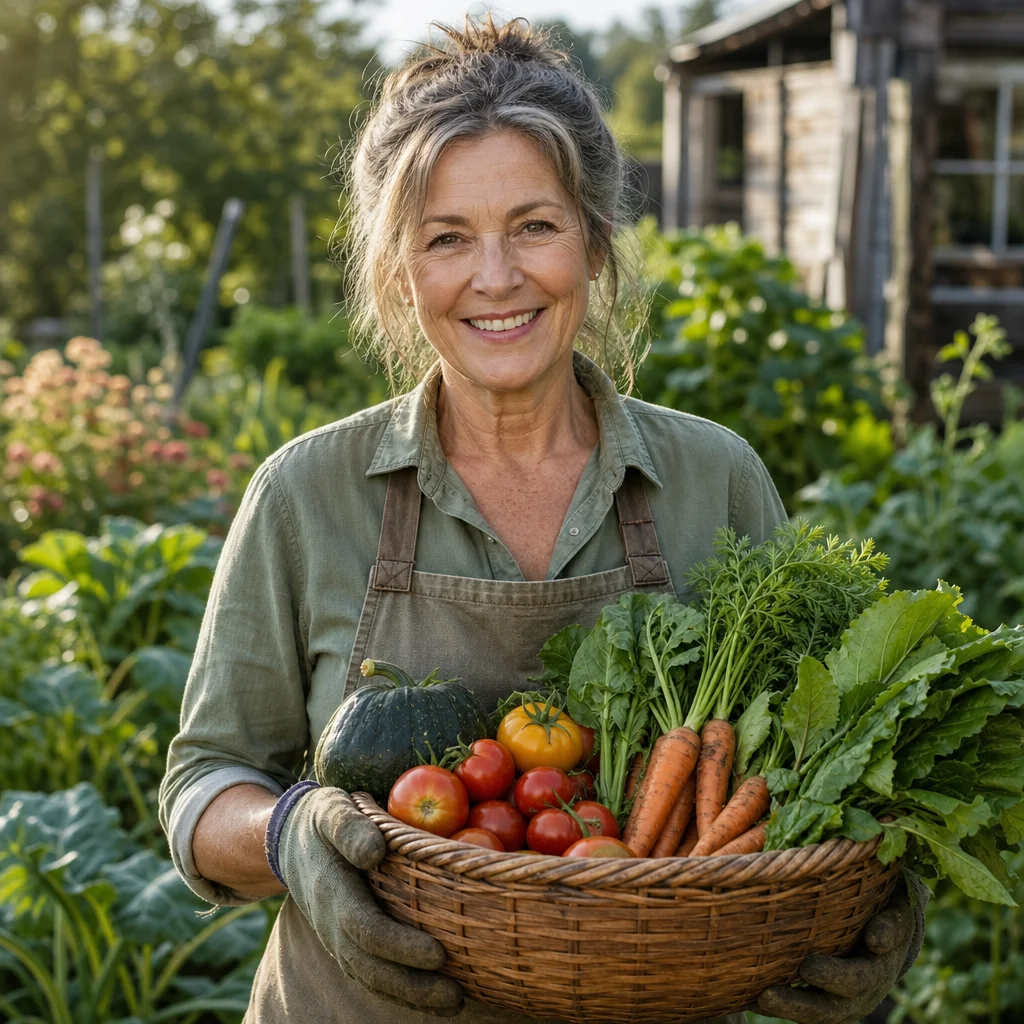
Self-watering planters can grow vegetables successfully, but they aren’t magic containers that eliminate watering decisions. They work by storing water in a reservoir beneath the growing area and moving it upward through a wick, perforated platform, or another capillary system. That steady supply can be especially useful on a balcony or patio, where containers dry quickly and daily watering is easy to forget.
The important question isn’t simply whether a planter is labeled “self-watering.” You need to consider whether its reservoir, growing mix, size, location, and maintenance routine suit the vegetable you want to grow. A compact planter may be excellent for lettuce and herbs but poorly matched with a tomato that needs deep roots and a large, stable container.
How a self-watering planter works
A typical design has two separate areas: a water reservoir at the bottom and a planting chamber above it. A wick or porous section connects the two. As the potting mix dries, it draws moisture upward from the reservoir. This is capillary action, not a tiny underground irrigation crew responding to plant complaints.
The system is most reliable when the mix remains airy enough for roots to receive oxygen. The reservoir should provide moisture without turning the entire container into a permanently saturated sponge. A functional planter usually has an overflow opening or drainage arrangement so excess rainwater can escape rather than accumulating around the roots.
That distinction matters because plants need both water and air around their roots. If the reservoir is too shallow to supply the growing area, the upper mix may dry out. If the planter has no effective overflow and receives heavy rain, the lower section may stay excessively wet. Either problem can lead to weak growth, yellowing leaves, root damage, or disease-favorable conditions.
Inspect the planter before planting: Confirm that the reservoir is accessible for filling, the overflow or drainage opening is unobstructed, and the container is intended for growing food. If the instructions specify a particular mix, wick, water level, or setup procedure, follow those directions rather than improvising with garden soil.
Which vegetables fit best?
Self-watering containers are usually most forgiving with vegetables that have moderate root systems and can be harvested over time. Leaf lettuce, arugula, spinach, Swiss chard, kale, scallions, radishes, and many herbs are good starting choices. They appreciate consistent moisture and don’t usually require an enormous volume of soil.
Compact bush beans, patio cucumbers, dwarf peppers, and smaller eggplant varieties can also work when the planter is large enough and receives sufficient sunlight. Choose varieties described as compact, container-friendly, dwarf, or patio types. Those labels don’t remove the plants’ needs, but they make the match more realistic.
Tomatoes are possible, but they’re among the easiest vegetables to put in an undersized self-watering planter. A determinate or dwarf variety may perform well in a suitably large, sturdy container, while an indeterminate tomato can become tall, heavy, and demanding. It may need a deep root zone, a support structure, frequent nutrient management, and enough reservoir capacity to keep up with warm-weather growth.
Root crops require more careful planning. Radishes and small carrots can grow in relatively shallow containers, provided the soil depth matches the variety. Full-size carrots, parsnips, and other long-rooted crops need a deeper planting area than many decorative self-watering planters provide. Potatoes and sweet potatoes also need substantial volume and can become awkwardly heavy on a balcony.
Avoid overcrowding even when the planter looks roomy at first. A few large plants can use the available water and nutrients quickly, leaving smaller companions shaded and underfed. Check the seed packet or plant label for spacing, then allow for airflow as well as root space.
Container size and reservoir design matter
The growing area needs enough depth and width for the crop’s roots, but the reservoir also needs enough capacity to support that crop between checks. A small reservoir may require frequent refilling during hot, bright weather. That can still be useful, but it won’t deliver the low-maintenance routine many people expect from a self-watering design.
Tall, fruiting plants create additional demands. They need a broad, heavy base to resist tipping, especially when foliage is wet or the plant is carrying fruit. A narrow planter with a large tomato or pepper may be structurally unsuitable even if the root volume appears adequate.
Look for a fill tube or another way to add water without disturbing the soil. A visible level indicator can make maintenance easier, although it’s still wise to observe the mix and plant rather than relying on a gauge alone. The reservoir should also be possible to empty or clean. A permanently inaccessible reservoir is difficult to inspect when algae, sediment, roots, or insects become a problem.
Rain exposure changes the calculation. On an uncovered balcony, rainfall may fill the reservoir and saturate the mix beyond what the plant needs. On a covered patio, the reservoir may receive little or no rain and depend entirely on hand-filling. Position the planter where excess water can drain safely and won’t stain a wall, damage a surface, or drip onto people below.
Use potting mix, not ordinary garden soil
Self-watering planters generally need a lightweight potting mix that can move water upward while retaining enough air. A container mix based on materials such as peat moss or coir, composted components, and perlite or another aerating ingredient is often more suitable than soil dug from the ground.
Garden soil tends to compact in containers. Once compacted, it can restrict drainage and root growth, become difficult for the wick to wet evenly, or remain too wet near the reservoir. Heavy soil also adds unnecessary weight, which matters when a planter is placed on a balcony or elevated patio.
Don’t fill the container with a thick layer of gravel in the hope of improving drainage. In a reservoir-based planter, that can interfere with the intended water movement and reduce growing volume. Use the container’s built-in components as designed, and keep the mix out of the fill tube and overflow path.
Before planting, moisten dry potting mix thoroughly. Very dry peat-based mixes can initially repel water, causing the reservoir to appear full while the root zone remains dry. Mix water through the medium until it is evenly damp, then place it in the planting chamber without packing it tightly.
Sunlight still sets the limit
A self-watering system can reduce moisture swings, but it can’t compensate for inadequate light. Fruiting vegetables such as tomatoes, peppers, cucumbers, and eggplant generally need a bright location with several hours of direct sun. Leafy greens tolerate less intense light, though they may still grow slowly or become thin if the location is too dim.
Balcony conditions can be deceptive. A space that looks bright from indoors may receive only reflected light, and nearby buildings can shorten the period of direct sun. Watch the proposed location across the day before committing to several large planters. Also consider heat reflected from masonry, glass, or metal railings, which can increase evaporation and stress foliage.
Wind is another risk for elevated containers. It dries leaves and potting mix more quickly, can chill plants, and may topple tall crops. Secure supports without blocking the planter’s drainage or fill tube, and keep heavy containers on a stable surface that can bear their fully watered weight.
Fertilizer and salt buildup need attention
Frequent watering from a reservoir can carry nutrients through the mix, but it doesn’t provide nutrition by itself. Vegetables in containers eventually use the nutrients available in the potting mix, so they may need a fertilizer appropriate for edible crops and the product’s directions.
More fertilizer isn’t safer or faster. Excess nutrients can cause lush leaf growth, poor fruiting, leaf-edge damage, or salt accumulation in the mix. Follow the label rate, avoid combining multiple concentrated products unless the instructions support it, and don’t pour fertilizer into the reservoir unless the planter and fertilizer directions specifically allow that method.
A reservoir can also concentrate dissolved salts when water evaporates and leaves minerals behind. Periodically watering the mix from above, allowing excess water to drain through the designated outlet, may help flush accumulated salts if the container design permits it. Don’t do this in a way that sends runoff onto a neighbor’s property or a surface that could be damaged.
A safer maintenance routine
When you first plant, check the moisture in the upper root zone rather than assuming the reservoir has solved everything. A new plant’s roots may not yet reach the wicking area, and a large, leafy plant may use water faster than the system can supply it. Water from above when the mix is dry in the root zone or when the plant shows signs of thirst, then adjust as the roots establish.
Keep the reservoir from sitting empty for long periods during active growth, but don’t treat a full reservoir as proof that the plant is comfortable. Check the fill level, the soil surface and root-zone moisture, the overflow opening, and the condition of the leaves. If the mix stays wet, growth is weak, or leaves turn yellow, reduce reservoir filling and investigate drainage before adding more water.
Clean the container between crops. Remove old roots and plant debris, rinse the reservoir and fill tube, and clear any blockages. Algae may appear where water and light meet; limiting light exposure to the reservoir and cleaning it as needed can help. If you see a persistent foul smell, slimy roots, or insects breeding in standing water, stop and clean the system rather than continuing to top it up.
For edible crops, use clean containers and materials intended for their purpose. Avoid containers that previously held unknown chemicals, and don’t assume every plastic tub, treated wood product, or salvaged vessel is suitable for food gardening. When in doubt, choose a planter sold for growing plants and follow its care instructions.
The bottom line
Yes, you can grow vegetables in a self-watering planter, particularly leafy greens, herbs, radishes, and compact varieties of fruiting crops. The best results come from matching the crop to the planter’s root volume and stability, using a well-aerated potting mix, providing enough sunlight, and treating the reservoir as part of a watering system rather than a substitute for observation.
Start with one manageable crop instead of filling a small container with several demanding plants. Check how quickly the reservoir empties, whether the mix remains evenly moist, and how the planter behaves after rain or hot weather. Once you understand those patterns, you can add larger or more productive vegetables with a clearer sense of the space, support, water, and maintenance they’ll require.