The Right Potting Mix for Herbs, Flowers, and Patio Vegetables
Container plants perform best when the potting mix matches their roots, watering habits, and crop demands rather than simply holding moisture. I’ll help you compare ingredients, adjust a basic mix, and avoid the compacted garden soil that leaves patio plants struggling.
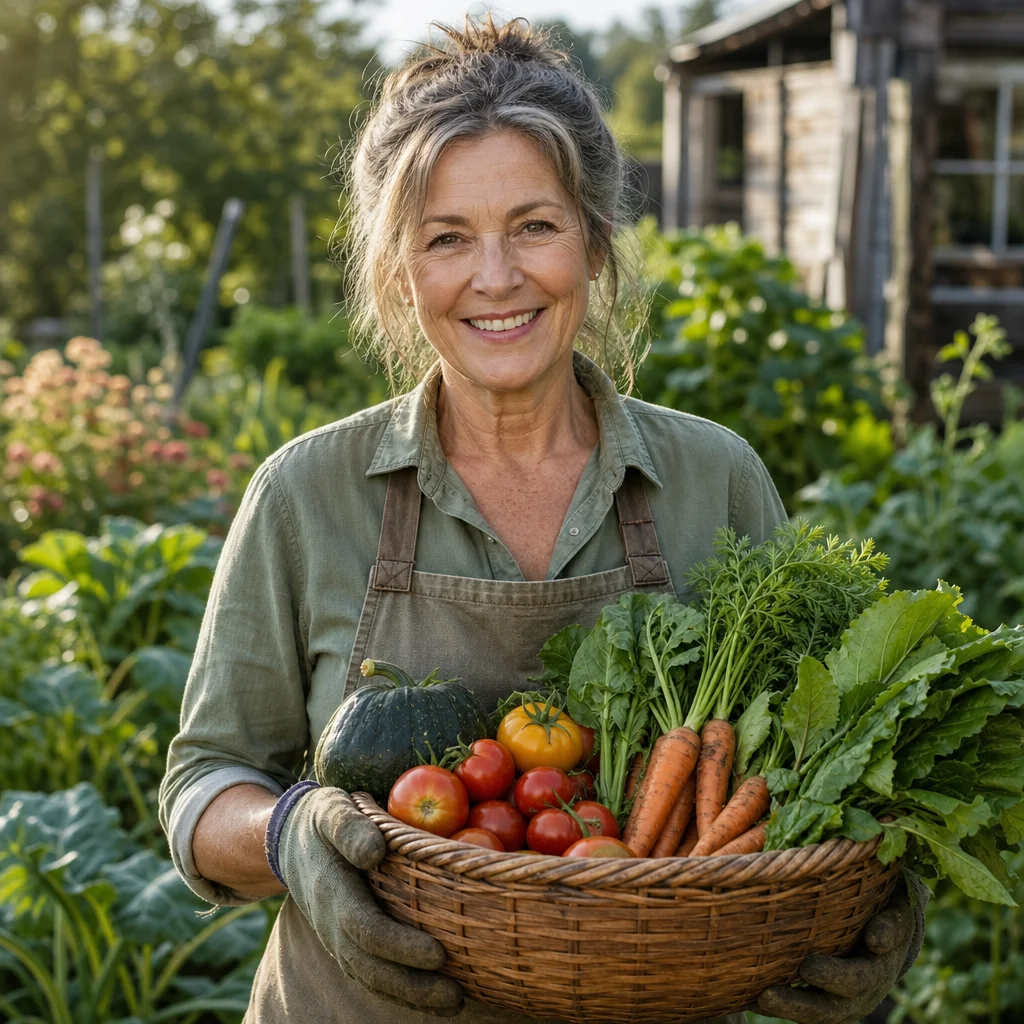
Container plants don’t have the surrounding soil’s reserve of moisture, air, nutrients, and helpful organisms. In a pot, the mix has to provide all four while also draining excess water through a small number of holes. That makes choosing potting mix less about finding one perfect product and more about matching the mix to the plant and the way you water.
For most herbs, flowers, and patio vegetables, a quality container mix is the sensible starting point. You can then adjust it when a crop has unusually high moisture needs, prefers sharp drainage, or will remain in the same container for a long growing season.
Why garden soil usually disappoints in containers
Garden soil can look rich and crumbly when you dig it from a bed, but it behaves differently inside a pot. The weight of the container and repeated watering press fine particles together. Over time, air spaces disappear, water drains slowly, and roots have less access to oxygen. A pot filled with dense soil may stay wet near the bottom while appearing dry at the surface—a confusing arrangement worthy of a small garden mystery.
Soil brought in from outdoors can also contain weed seeds, insect eggs, disease organisms, or clumps of clay that are difficult to break apart. Even sandy garden soil may not provide enough structure for reliable container drainage. Using a little native soil in a large outdoor planter can work in some situations, but it should be treated as an intentional component rather than the default filling.
A container mix is generally made from lightweight materials that hold moisture without becoming solid. Common ingredients include peat moss or coconut coir for water retention, compost or composted bark for organic matter, and perlite, pumice, or coarse bark for air space and drainage. The exact blend matters less than the result: the mix should be moistable, springy rather than muddy, and able to drain after thorough watering.
Start with the plant’s main demand
Before comparing bags or ingredients, ask what the plant is most likely to need from you. Does it dry quickly in a small pot? Will it produce fruit and foliage for months? Does it dislike sitting in wet soil? Is the container shallow, exposed to hot pavement, or protected from rain? These details often matter more than whether the label uses an appealing phrase such as “premium” or “all-purpose.”
Herbs: separate thirsty from drought-tolerant types
Herbs aren't one uniform group. Basil, parsley, cilantro, and mint generally appreciate a mix that holds some moisture, especially in smaller containers that dry quickly. A standard potting mix with a modest amount of compost or fine bark is usually suitable. You’ll need to monitor the container more closely during hot weather rather than trying to make the mix permanently wet.
Rosemary, thyme, oregano, and sage prefer more air around their roots and are less forgiving of consistently soggy conditions. For these herbs, choose a well-draining mix and blend in additional perlite, pumice, or coarse horticultural grit if the original product feels dense. Avoid adding large amounts of water-retentive material simply because the plant is in a sunny location; water more often when needed instead.
Mediterranean herbs also tend to perform better when the container itself drains freely and isn't left standing in a saucer of water. A moisture-holding mix in a poorly drained pot creates a root problem that no amendment can fully solve.
Flowers: match the mix to the container and watering pattern
Most annual flowers grow well in a general-purpose container mix that balances drainage and moisture retention. Petunias, marigolds, begonias, impatiens, and many common bedding plants aren't asking for a highly specialized medium. They do, however, need consistent moisture while establishing and during hot weather.
A small hanging basket or shallow window box may need a mix that holds water slightly better than one used in a large, deep pot. Large containers dry more slowly because they contain more mix, but they can also stay wet longer if the blend is heavy. In either case, the pot must have open drainage holes, and the mix should be evenly moistened rather than packed down.
Perennial flowers and plants that will remain in the same container for more than one season benefit from a mix with durable structure. Compost can improve organic matter, but it breaks down over time. Bark, perlite, and pumice help maintain air space longer, while a very fine, compost-heavy mix may settle and compact after repeated watering.
Patio vegetables: support roots, growth, and fruit production
Vegetables in containers often need more from their mix than small ornamental plants. Tomatoes, peppers, eggplants, cucumbers, and squash produce substantial foliage and fruit, so they need steady moisture, good root-zone air, and a dependable supply of nutrients. Start with a high-quality vegetable or general container mix that drains well but doesn’t dry immediately after watering.
Leafy greens and many compact herbs can use a similar blend, though shallow planters should retain enough moisture to prevent repeated wilting. Root crops such as radishes and carrots need a loose, stone-free mix that allows the roots to expand. For carrots in particular, avoid a heavy mix containing large pieces of bark or uncomposted material that can interfere with root shape.
A mix that drains quickly isn't automatically nutrient-rich. Most container media contain limited nutrients unless fertilizer has been added, and those nutrients can be depleted by frequent watering. Check the product label for whether fertilizer is included and how long it is intended to feed plants. Follow the label directions for any additional fertilizer rather than assuming more will compensate for a poor mix.
Check the bag before you fill the pot: Look for a product intended for containers, note whether it already contains fertilizer or moisture-control additives, and inspect the texture. If it feels unusually heavy, dusty, or full of undecomposed chunks, choose a different base or plan to improve it before planting.
A useful way to modify a basic mix
If you already have a decent all-purpose potting mix, small adjustments are usually enough. For moisture-loving herbs, leafy greens, and many flowers, you might leave the mix as sold or add a limited amount of finished compost. The goal is to improve fertility without turning the medium dense and waterlogged.
For rosemary, thyme, oregano, sage, and other plants that prefer sharper drainage, begin with the potting mix and add roughly one part perlite or pumice to several parts mix. The exact proportion depends on the original texture and the container. You’re looking for a blend that absorbs water but releases excess water readily, not one that lets water race through without wetting the root zone.
For large patio vegetables, a common starting point is a few parts container mix combined with one part finished compost and one part perlite, pumice, or coarse bark. This is a starting point rather than a universal formula. If the base mix already contains substantial compost and coarse material, adding more may make it unnecessarily loose or nutrient-heavy. If it is fine and peat-heavy, the extra structure can be useful.
Mix the ingredients thoroughly in a tub or wheelbarrow before filling the container. Wet very dry peat-based material gradually; dry peat can initially resist water and leave pockets that remain difficult to rehydrate. Coir generally wets more readily, but it still needs to be blended evenly. Don’t press the mix down firmly to make room for more. Settle it with water, then top it up if needed.
Ingredients worth understanding
Peat moss holds water and is common in container mixes, but it can become difficult to wet once completely dry. It is also acidic, although finished products may be adjusted with other ingredients. Coconut coir holds moisture while remaining relatively springy and is used in many mixes; its quality and salt content can vary, so a reputable packaged product is preferable.
Perlite is lightweight and improves air space. Pumice performs a similar function and is heavier, which can be helpful in a tall or top-heavy container. Coarse bark contributes structure and is particularly useful in mixes intended to last longer, provided it is properly aged or composted. Very fine materials can improve water retention but may also reduce drainage when used excessively.
Compost adds organic matter and some nutrients, but it isn't a complete substitute for a structured container medium. Too much can cause settling and restrict air space. Garden soil adds weight and may compact, so it should generally be omitted from ordinary pots and used cautiously in very large planters where the mix’s drainage and structure have been deliberately designed.
Let the container complete the system
Even an excellent mix can't compensate for a container with no drainage. Water needs a route out, and the pot should stand slightly above a surface that allows the holes to function. A saucer can protect a deck or patio, but empty it when it collects water rather than allowing the pot to sit submerged.
Container size also affects the mix’s behavior. A small pot may need more frequent watering, while an oversized pot holding a small root system can remain wet for too long. Choose a container appropriate to the mature plant and provide enough depth for its roots. For vegetables that become top-heavy, a heavier pot or a stable base may be more useful than adding dense soil to the mix.
Water thoroughly when the upper portion of the mix has begun to dry, then allow excess water to drain. The correct interval will vary with plant size, weather, pot material, sunlight, and wind. Check the mix with your finger or lift the container to learn how its weight changes as it dries. A schedule copied from a calendar is less reliable than paying attention to the actual pot.
Reusing and refreshing old potting mix
Old mix can sometimes be reused, especially for flowers or less demanding plants, but it loses structure and nutrients as roots grow and organic ingredients decompose. Remove old roots and large debris, then assess whether the mix still drains and wets evenly. If it has become hard, sour-smelling, persistently soggy, or heavily compacted, replacing it is usually the better choice.
For a healthy container, you can blend some old mix with fresh container mix and a modest amount of finished compost. Avoid carrying old mix from a diseased plant directly into a new crop, particularly tomatoes, peppers, and other plants that may share diseases. Reused material shouldn't be treated as sterile, and it may need fresh fertilizer according to the needs of the new plant.
The practical choice
For most flowers, leafy herbs, and patio vegetables, choose a quality container mix and adjust only when the plant or container gives you a clear reason. Add structure for herbs that dislike wet roots, preserve moisture for shallow or thirsty plantings, and include a modest nutrient source for vegetables that will grow and produce for months. Keep garden soil out of ordinary pots unless you’re intentionally designing a large planter with enough structure and drainage to support it.
The best mix is the one that stays open, wets evenly, drains excess water, and matches how often you can realistically check the plants. Start with that balance, then make small changes after observing whether the container dries too quickly, stays wet too long, or supports strong growth without constant rescue. Your plants will usually tell you which ingredient—or watering habit—needs reconsideration.