When to Stake a Plant and When to Let It Strengthen Naturally
I’ll clarify when a plant needs temporary support, when staking can create weaker growth, and how to choose flexible ties and supports for trees, perennials, vegetables, and windy gardens.
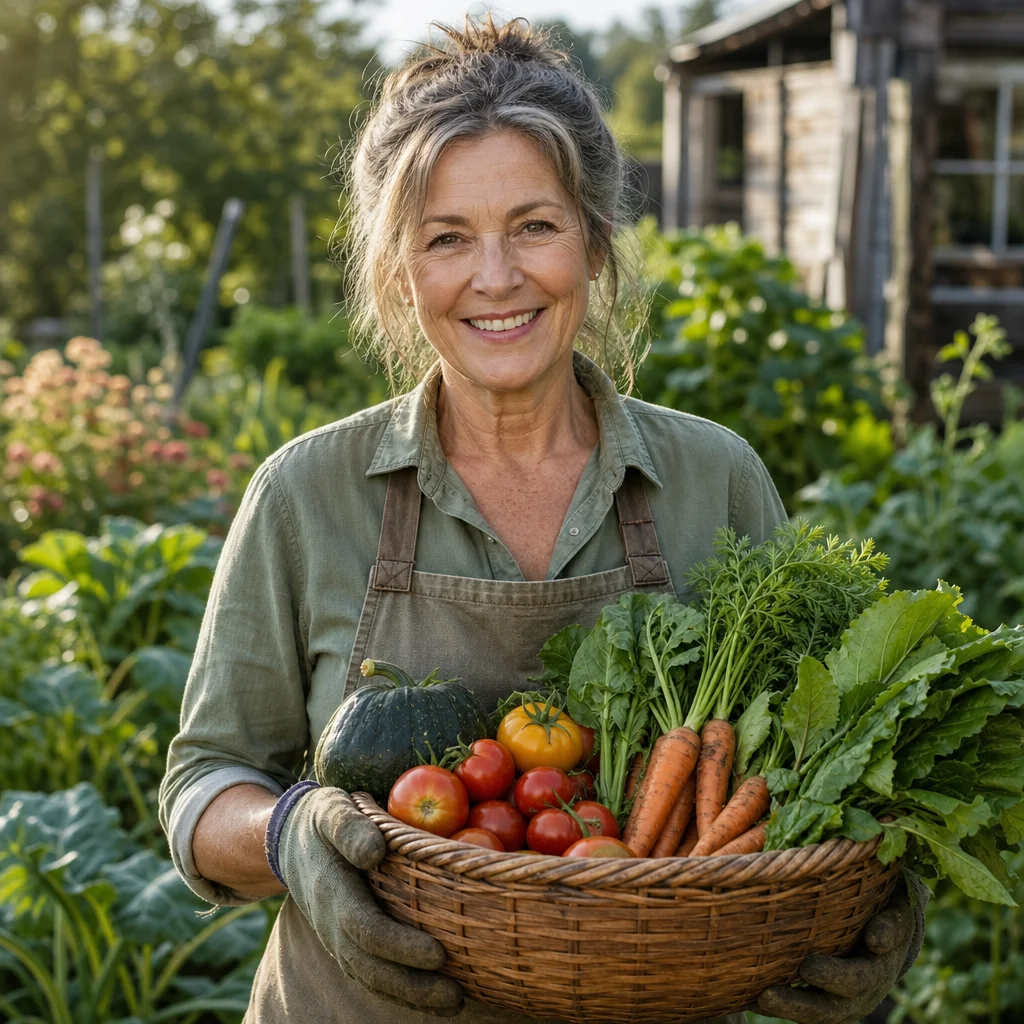
By Marianne Finch · Plant Care
A leaning plant can look as if it needs immediate rescue, but staking isn’t always the kindest solution. Some plants need temporary support while roots establish or stems carry heavy flowers. Others benefit from moving naturally in the wind, which helps them develop stronger stems. The useful question isn’t simply “Is this plant upright?” It’s “What problem am I solving, and will the support be temporary?”
Start by identifying the problem
Before you push a stake into the soil, look at why the plant is leaning. A young tree may be unstable because its root ball is shifting, while a perennial may be bending under the weight of blooms. A vegetable may need a trellis because its natural growth habit is climbing or sprawling. These situations call for different supports.
Also check whether the plant is leaning because of a basic care problem. Soft, elongated growth can result from insufficient light, excess nitrogen, overwatering, or crowding. A stake can hold that growth upright, but it won’t correct the cause. A plant that repeatedly collapses may need brighter conditions, better spacing, pruning, or a variety suited to the location.
Staking is most helpful when it prevents immediate damage or gives a plant time to establish. It’s less helpful when it turns every slight curve into a structural emergency. Plants aren’t manufactured poles; a little movement is usually part of healthy growth.
When a plant should be staked
Newly planted trees
A newly planted tree may need staking if the root ball moves when the trunk is gently pushed, the planting site is exposed to strong wind, the tree has a large canopy compared with its roots, or the trunk can't remain upright without assistance. Trees planted with damaged or small root systems may also need temporary support while new roots grow.
Use two stakes on opposite sides of the tree when possible, positioned outside the root ball. Attach the trunk with wide, soft, flexible ties rather than wire, thin cord, or anything that can cut into the bark. The ties should hold the root system steady without clamping the trunk rigidly. The upper part of the tree should still be able to move in the wind.
A common mistake is to leave a newly planted tree tied indefinitely. Permanent staking can restrict natural trunk movement, cause rubbing or girdling, and hide problems that need attention. Check the ties regularly for looseness, abrasion, and pressure as the trunk expands. Remove the support once the tree’s roots anchor it securely—often after one growing season, although the timing depends on the tree, soil, planting conditions, and exposure.
Tall perennials and plants with heavy flowers
Tall perennials such as peonies, delphiniums, hollyhocks, and some ornamental grasses may need support when their stems are naturally slender or their flowers become top-heavy. The best time to support many of these plants is before they flop, not after a storm has flattened them.
Choose a support that blends into the plant and allows it to grow through the structure. Peony rings, discreet grids, stakes with soft ties, and twiggy supports can all work. Place them early in the season while the stems are still short, then let the foliage conceal the support as it grows. For a plant that has already fallen over, lift the stems gently and tie them loosely; forcing them upright can snap tender growth.
Don’t gather every stem into one tight bundle. That creates a crowded center with poor air circulation and can produce an oddly pinched shape. Several lightly placed supports usually look more natural and keep the plant stable without making it dependent on a rigid cage.
Vegetables with a climbing or sprawling habit
Some vegetables need support because their growth habit makes it part of successful cultivation. Indeterminate tomatoes continue producing new stems and fruit over a long season, so they generally need a sturdy cage, trellis, or stake system. Pole beans and many peas climb naturally, while cucumbers often produce straighter, cleaner fruit when trained on a trellis. Small melons may need additional support if the trellis and variety can carry their weight.
Install vegetable supports early, ideally at planting time or before the vines become tangled. Adding a stake or trellis later can disturb roots and force you to handle brittle stems. Guide young growth gently rather than pulling it sharply toward the support. Use soft ties, clips, or loose loops, and leave room for the stem to thicken.
Not every vegetable needs to be trained upward. Determinate tomatoes may remain manageable with a sturdy cage, and bush beans generally don’t require a trellis. Supporting a plant simply because it can be supported adds work without necessarily improving the harvest.
Plants in exposed, windy locations
Wind can justify temporary staking even when a plant would stand well in a sheltered garden. Newly planted shrubs, tall flowers, young trees, and plants with broad foliage may rock repeatedly in an exposed site. That movement can loosen roots, damage stems, and dry the plant faster.
The goal is to reduce damaging movement, not eliminate every sway. Use supports that distribute pressure and allow the plant to flex. Windy sites may also benefit from grouping plants, adding a permeable windbreak, improving soil moisture management, or selecting naturally compact varieties. A solid barrier placed too close to plants can create turbulent gusts, so the wider growing environment matters as much as the stake.
Check the support as the plant grows: Before tying anything, make sure the material is wide and soft enough for the stem or trunk, the loop isn’t tight, and the support can be removed without disturbing the roots. Recheck after storms and throughout the growing season.
When it’s better to let a plant strengthen naturally
A healthy, established plant that leans slightly toward light or moves freely in the wind usually doesn’t need staking. Small amounts of movement encourage stems and trunks to respond to their surroundings. If you immobilize such a plant, it may develop weaker growth or become more vulnerable when the support is removed.
Seedlings are a good example. They may be thin and delicate at first, but excessive support can conceal low light, overcrowding, or overly warm growing conditions. Give seedlings adequate light, spacing, and gentle air movement instead. A small fan used carefully indoors can help produce sturdier growth, but it shouldn’t be used to whip or dry out the plants.
You also may not need to stake a perennial merely because it bends after rain. Some plants naturally arch, and their flowers may be attractive that way. If the stems recover as they dry and aren’t lying on wet soil, blocking paths, or suffering repeated breakage, leaving them alone can be the better choice. Planting in the right light and avoiding excessive fertilizer often prevents more flopping than a support added at the last minute.
Common staking mistakes and how to prevent them
Using narrow or rigid ties
Wire, fishing line, zip ties, and thin string can cut into expanding stems and trunks. Even materials that seem harmless at first can become restrictive within weeks. Use broad elastic ties, cloth strips, purpose-made tree ties, or another flexible material that won’t abrade the bark. Keep ties loose enough that you can slide a finger between the tie and the plant.
Placing the stake too close to the trunk
A stake driven directly beside a trunk can damage roots and encourage the plant to depend on rigid support. For trees, position stakes outside the root ball when the situation allows. For smaller plants, place the stake before planting or insert it carefully at the edge of the root zone. If you must add a support later, choose a location that avoids the densest roots and work slowly.
Tying at the wrong height
A tie placed too high can hold the entire upper canopy stiffly, while one placed too low may not prevent the root ball from rocking. For a young tree, support should stabilize the lower trunk and root system while leaving the upper trunk free to move. For perennials and vegetables, add support where stems are beginning to bend rather than pulling the plant tightly from its base.
Forgetting to remove the support
Staking is easy to install and easy to forget. Set a reminder to inspect it after several weeks and again as the season changes. Look for bark rubbing, trapped stems, broken stakes, loose ties, and signs that the plant is now stable without help. Temporary supports should have a clear reason for remaining in place.
Supporting a symptom instead of fixing the growing conditions
If a plant is weak, stretched, pale, or repeatedly collapsing, investigate its care. Check light, watering, drainage, fertility, spacing, and pruning. A support may still be appropriate, but it should work alongside the correction rather than replace it.
A sensible decision for each plant
Stake a plant when support prevents likely breakage, protects a vulnerable root system, accommodates a naturally climbing or top-heavy habit, or reduces harmful movement in an exposed location. Let it strengthen naturally when it is healthy, established, and merely showing normal flexibility or a graceful form.
When you do stake, use the lightest support that solves the problem. Install it early enough to avoid damaging roots or stems, tie with flexible material, allow some movement, and inspect it regularly. For most garden plants, good staking is temporary assistance—not a permanent arrangement. Give the plant enough help to get established, then let it do more of the standing on its own.