What to Do When Birds Are Pecking Holes in Ripening Fruit
I’ll help you distinguish bird pecking from insect or disease damage, then choose sensible protection through timing, netting, harvesting, and habitat-friendly deterrents without turning your fruit garden into a fortress.
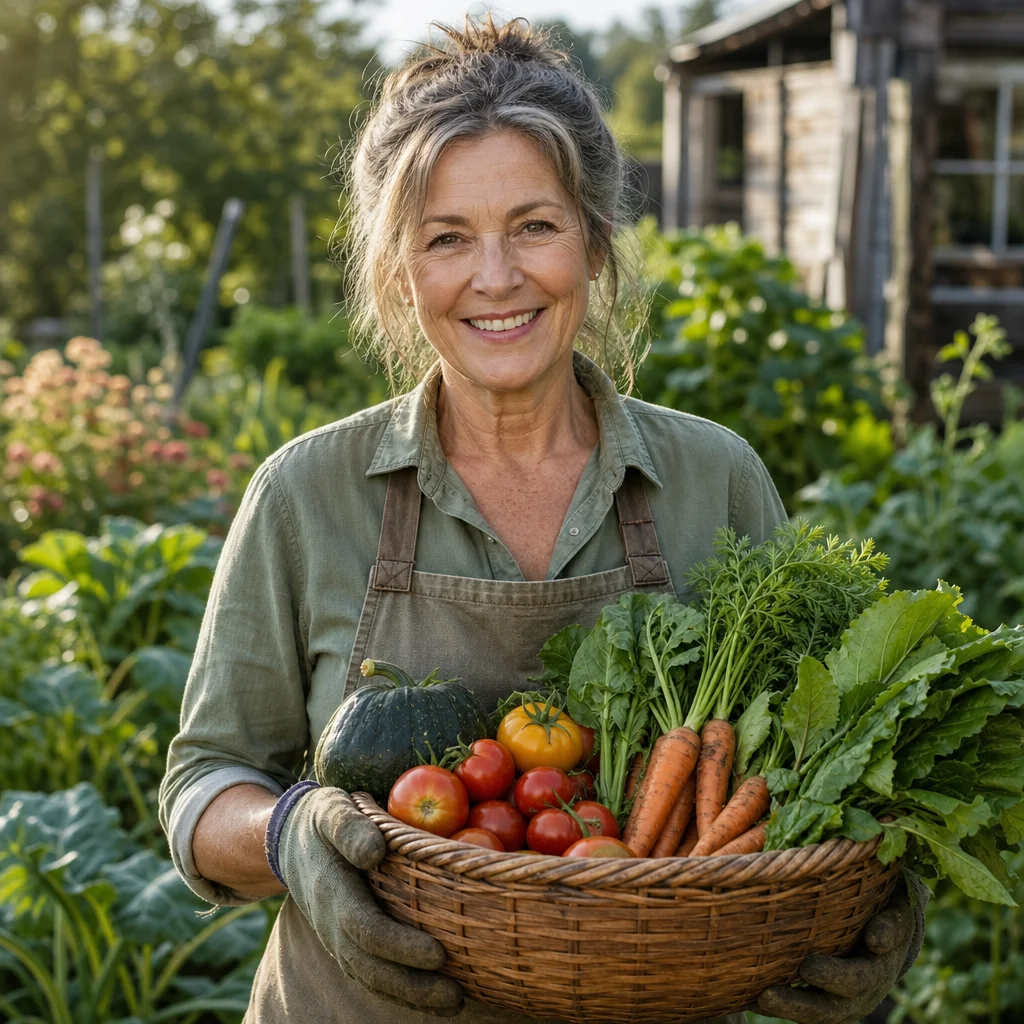
Ripening fruit can look fine one day and appear riddled with holes the next. Birds are often responsible, but insects, disease, splitting, and even weather can create similar damage. Identifying the cause before choosing a remedy matters: netting may stop a bird, but it won’t solve fruit rot, and spraying won’t discourage a persistent jay.
The most reliable approach is to inspect the damage closely, protect fruit during the short period when it becomes attractive, and avoid common deterrents that create more trouble than they prevent.
Start by identifying the damage
Birds usually leave irregular peck marks rather than neat, round holes. The opening may be shallow at first, with a ragged edge and a larger bruised area beneath it. On soft fruit such as peaches, plums, figs, and pears, a bird may return to the same fruit repeatedly, enlarging the hole as the flesh softens. You may also find fruit knocked to the ground, scattered skins, or peck marks on several fruits at the same height.
Bird damage often appears just as fruit begins to color and soften. Birds may ignore hard, green fruit and then discover it rapidly once sugar levels rise. Damage is especially likely in the morning, although a single inspection won’t prove what caused it.
Insect damage tends to be smaller, more numerous, or more consistent in shape. Look for tiny entry holes, sawdust-like material, webbing, larvae, sticky residue, or tunnels beneath the skin. Some insects enter through cracks or the blossom end rather than pecking exposed flesh. If damaged fruit contains a larva or shows internal tunneling, birds may be taking advantage of an existing insect problem rather than starting it.
Disease usually produces spots, discoloration, soft decay, or a spreading lesion rather than a clean opening into otherwise sound flesh. Fungal rots can begin at a wound made by a bird or insect, so more than one problem may be present. Hail, sunscald, rubbing against a branch, and fruit splitting after uneven watering can also be mistaken for pest damage.
When the evidence is unclear, examine several affected fruits and compare them with undamaged ones. Photographing the marks can help you notice patterns over a few days. A hole that grows quickly after birds visit is a different problem from a lesion that expands even when fruit is protected.
Check local wildlife rules before deterring birds: Some birds are protected, and local rules may affect trapping, relocation, nest disturbance, or the use of particular deterrents. Favor nonlethal exclusion and confirm any unusual control method with your local extension service or wildlife authority.
Protect fruit at the right time
A common mistake is waiting until every fruit is nearly ripe. By then, birds may already have learned where the best food is, and they can damage a crop in a short period. Begin watching when fruit reaches its mature size and starts to change color, soften, or develop its characteristic aroma. For some crops, protection may be needed while fruit is still firm but visibly approaching ripeness.
You don’t necessarily need to cover an entire tree for the whole season. Protecting the most valuable branches or the fruit that is closest to ripening can reduce labor and materials. This works particularly well for a small tree, espalier, berry row, or a few container-grown plants.
Harvesting slightly early can also help, provided the fruit can finish ripening after picking. Apples, pears, and some stone fruits may tolerate this approach better than very soft fruit, while berries and fully ripe figs generally offer less flexibility. Learn the normal harvest signs for each crop rather than relying on color alone. Fruit picked too early may remain bland, fail to soften properly, or never develop its expected flavor.
Pick ripe fruit promptly instead of leaving it as a buffet. Remove damaged or fallen fruit, too, because fermenting fruit can attract insects and wildlife. Harvesting won’t stop birds from investigating, but it reduces the period during which the most tempting fruit is exposed.
Use netting as a physical barrier
For most home fruit growers, properly installed netting is the most dependable bird protection. The important word is properly. Loose netting draped over a shrub or tree can leave gaps at the ground, allow birds to reach fruit through the mesh, and create a risk of entanglement. It can also catch on branches, sag into the crop, and become difficult to remove without tearing.
Build a simple frame or support system so the netting sits away from the fruit. Short stakes, hoops, a lightweight structure, or a fruit cage can keep the material from resting directly on branches. Secure the edges all the way around, including underneath where possible. A bird that can walk beneath the netting will quickly find the opening.
Choose netting marketed for bird exclusion and inspect it before installation. Avoid damaged material with loose strands or large openings that could admit a bird but not allow it to escape easily. The mesh must be fine enough to prevent access to the fruit, yet the entire setup should remain visible and taut rather than forming hidden pockets.
Check the enclosure regularly. Look for lifted edges, new tears, trapped animals, and branches that have pushed through the barrier. Don’t assume a netted tree is finished once the cover goes on; wind, growing branches, and curious wildlife can change the arrangement. Remove the netting promptly after the vulnerable harvest period, clean it if needed, and store it where rodents and sunlight won’t damage it.
For individual fruit, paper or reusable fruit bags can be useful when they allow enough airflow and don’t trap moisture against the skin. They take more time than covering a whole plant, but they can make sense for prized peaches, pears, or a small number of developing clusters. Keep the bags loose enough for growth and check that they don’t retain water after rain.
Treat visual deterrents as temporary help
Reflective tape, old compact discs, streamers, pinwheels, and similar objects may startle birds when first installed. Their effect often fades as birds learn that the objects don’t move like a predator and pose no real threat. Wind can also tangle streamers in branches or carry loose materials into neighboring yards.
If you use a visual deterrent, move it periodically and combine it with a physical barrier or timely harvest. Hang it so it can’t contact power lines, block paths, or become litter. Shiny objects positioned near roads, windows, or aircraft paths are poor choices because glare can create hazards.
Sound devices are usually less suitable for a home garden. They may disturb neighbors, pets, and other wildlife while producing inconsistent results. Predator decoys have the same limitation as most visual devices: birds may avoid them briefly, then ignore them once their routine becomes familiar. A decoy that is moved occasionally can be part of a broader strategy, but it shouldn’t replace exclusion.
Avoid poisons, glue products, and improvised traps. They can injure animals that weren't causing the damage and may expose children, pets, or beneficial wildlife to unnecessary risks. The goal is to keep birds away from ripening fruit, not to punish every bird that visits the garden.
Make the garden less rewarding without removing all habitat
You don’t have to choose between protecting fruit and supporting birds. The main objective is to separate vulnerable crops from feeding areas. If space allows, provide bird-friendly plants that produce food at a different time of year, along with clean water placed away from the fruit tree. This may reduce pressure in some gardens, although it won’t guarantee that birds will ignore ripe cherries in favor of anything else.
Keep fallen fruit picked up and avoid leaving overripe produce on the tree. Prune gradually if the canopy is so dense that netting, harvesting, and inspection are difficult. A manageable tree is easier to protect than a sprawling one, and better airflow can also reduce some disease problems. Don’t make severe pruning cuts solely to discourage birds; excessive pruning can stress the plant and expose fruit to sun damage.
Consider whether nearby shelter is concentrating bird activity around the crop. Dense hedges, feeders, or water sources close to a fruit tree may increase visits, though removing habitat isn't always desirable or necessary. Moving a feeder farther from the crop, rather than eliminating it, can create useful separation. Make changes one at a time so you can tell what actually helps.
A sensible response by crop size
For one or two small trees, a supported net or cage is usually the clearest solution. It requires an initial setup but gives you a visible, repeatable barrier each season. For berries and dwarf plants, individual frames or row covers can be efficient, especially when you can secure the edges at ground level.
For a large tree that can't be covered safely, combine prompt harvesting with selective protection of the most valuable fruit. You may also accept a percentage of loss and improve the crop over time through pruning, easier-to-reach tree size, or replacement with varieties that ripen at a less troublesome point in the season. Cutting a mature tree down in frustration is rarely the first decision to make.
If damage continues despite netting, look again at the diagnosis. Birds may be opening fruit that was already cracked, diseased, or infested. Check irrigation consistency, examine the fruit internally, and inspect the plant for insects or lesions. A barrier solves access; it doesn’t correct every condition that makes fruit vulnerable.
The practical sequence is straightforward: inspect several holes, protect fruit before it becomes fully attractive, secure netting on a support rather than draping it loosely, and harvest as soon as the crop is ready. Add movable visual deterrents only as backup, and keep the setup safe for birds and other wildlife. With those habits, you can leave room for birds in the garden without offering them the entire harvest.