How to Plan a Garden for a Vacation During Peak Growing Season
Hand-watering and automated irrigation solve different vacation problems, especially when peak-season heat is involved. I’ll help you prioritize watering, harvesting, shade, pest checks, and backup care so your garden has a sensible plan while you’re away.
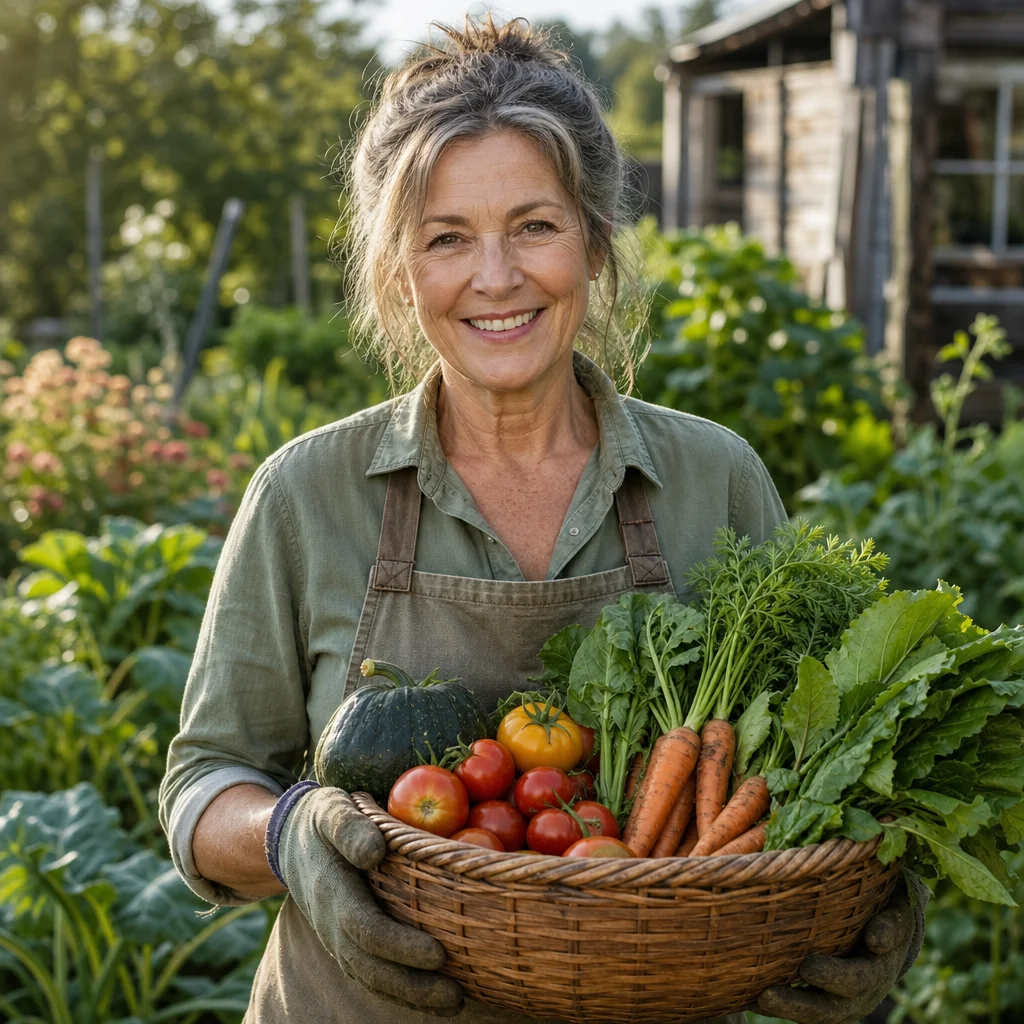
Peak growing season is when a garden can change quickly: a sunny bed may dry out in a day, ripe produce may become overripe, and a small pest problem can spread while you’re gone. The goal isn’t to make the garden completely maintenance-free. It’s to reduce the tasks that can't wait and arrange dependable help for anything that still needs attention.
Start planning about a week before your trip if possible. That gives you time to test irrigation, notice which plants dry out first, and adjust the plan without rushing through it the night before departure.
Begin with a short garden assessment
Walk through the garden and divide plants into three groups: those that need regular water, those that can tolerate a brief dry spell, and those that need harvesting or other attention before you leave. Young transplants, plants in containers, shallow-rooted crops, hanging baskets, and recently seeded areas usually belong in the first group. Established plants in the ground may cope better, depending on the weather, soil, and species.
Also look for anything that is already struggling. A wilted plant, clogged emitter, leaning trellis, or small pest infestation won’t become easier to manage while you’re away. Deal with existing problems first rather than adding new equipment or treatments and hoping for the best.
A simple written list is useful. Record which areas need water, how often they normally need it, what can be harvested, and what a helper should report. A few labeled zones are much easier for another person to understand than a general request to “keep everything alive.”
Make watering the first priority
Water the root zone deeply before you leave, rather than lightly wetting the surface. The aim is to moisten the soil where roots are growing without leaving beds saturated. Check the soil several inches below the surface in a few representative spots; the surface can look damp while the root zone is already dry, or look dry while deeper soil still holds moisture.
Mulch can slow evaporation and moderate soil temperature. Apply or refresh a layer of organic mulch around plants, keeping it a little away from stems and trunks so moisture and debris don’t remain pressed against the plant base. Avoid piling mulch directly against crowns, graft unions, or woody stems.
Containers deserve special attention because they have limited soil volume and can dry out much faster than garden beds. Grouping them in a spot with bright shade or morning sun can reduce stress, provided the plants still receive the light they need. Put saucers under containers only where temporary standing water won’t create a drainage problem, and don’t use them to keep plants permanently waterlogged.
Choose the simplest reliable watering method
If you already use drip irrigation, soaker hoses, or a timer, test the complete system several days before departure. Confirm that water reaches every intended area, connections don’t leak, batteries are fresh if the controller requires them, and the timer is set for the correct days and duration. Watch at least one full cycle instead of assuming the system is working because the timer display is on.
A new irrigation setup may be useful, but it shouldn't be installed hours before your flight. New systems can have blocked emitters, misplaced lines, incompatible fittings, or timers that are easy to program incorrectly. For a short absence, a trusted person with clear instructions may be more dependable than an untested arrangement.
If someone is watering by hand, ask for a method rather than a vague schedule. For example, they can check the soil in a specified bed, water slowly at the base when the upper few inches are dry, and confirm that containers drain from their holes. This gives the helper a decision to make instead of forcing them to follow a calendar that may not match the weather.
Check the week ahead: Look at the current forecast for heat, wind, and rainfall, and check any local watering restrictions before setting a schedule. Adjust the plan to actual conditions rather than assuming your usual midsummer routine will fit the week you’re gone.
Harvest before you travel
Pick ripe vegetables, berries, herbs, and flowers shortly before leaving. Many crops will continue developing in your absence, and removing ready produce gives the plants more room to keep producing. Harvesting also reduces the chance that fallen or overripe fruit will attract pests.
For crops that can be eaten young, pick them at a smaller size if you’ll be away during their normal harvest window. Beans, cucumbers, summer squash, and some leafy greens can become tough, bitter, or oversized when left too long. Don’t strip every plant bare if doing so would expose tender fruit or soil to intense sun; use the crop’s normal harvesting practice as your guide.
Remove damaged or diseased leaves and any fallen fruit, but avoid major pruning or fertilizing just before departure. Heavy pruning can stress some plants, while a flush of new growth from fertilizer may increase watering needs. Your pre-trip work should make the garden steadier, not stimulate a new round of demands.
Provide shade without creating new hazards
Heat-sensitive containers and newly planted seedlings may benefit from temporary shade during the hottest part of the day. A position with morning sun and afternoon shade is often easier than constructing a complicated cover. If you use shade cloth, secure it so wind can’t turn it into a sail or press it against plants.
Don’t cover plants with airtight plastic. It can trap heat and moisture and may cause more damage than direct sun. Likewise, don’t move every container into deep shade simply because you’re worried about heat; plants still need suitable light, and a sudden change can weaken growth.
Inspect trellises, stakes, and supports while you’re there. Tie loose stems with soft material, remove unstable objects, and make sure hoses and cords won’t become trip hazards for a helper. A garden that is easy to walk through is easier to check thoroughly.
Do a pest and disease check
Inspect the undersides of leaves, new growth, stems, and the soil surface around valuable plants. Look for obvious chewing, clusters of insects, wilt, discoloration, and signs that an animal has been digging. You don’t need to diagnose every minor blemish before a short trip, but you should address active problems that could spread quickly.
Use only treatments appropriate for the plant, pest, and situation, and follow the product label. Avoid applying a new pesticide immediately before leaving if no one will be available to observe the plants or respond to a problem. Some products have restrictions related to harvest intervals, pollinators, weather, or reentry, so the label matters more than a general internet recommendation.
Ask a helper to report changes rather than automatically treating anything they see. A photograph, the plant’s name, and a description of the damage can help you decide what to do when you return.
Prepare a realistic backup plan
If your trip lasts more than a few days during hot, dry weather, arrange a person to check the garden, even if an automatic system is running. A backup check can catch a tripped breaker, empty rain barrel, blocked line, broken hose connection, storm damage, or animal intrusion. For a very short trip with mild weather and established in-ground plants, you may need only a system test and a quick check from a neighbor.
Give the helper concise instructions and access to the tools they’ll need. Include the location of the water shutoff, timer controls, hose, hose-end sprayer, plant list, and contact information. Explain what requires action and what can wait. “Water the containers and check the vegetable bed” is more useful than asking someone to make broad gardening decisions.
It can also help to specify a stopping point. A helper doesn’t need to keep watering indefinitely if rain has thoroughly soaked the soil. They should know whom to contact if a line bursts, a plant is badly damaged, or an unfamiliar issue appears. Keep instructions on paper or in a message they can easily find rather than relying on a hurried conversation at the door.
The day before you leave
Run the irrigation system while you’re still home and inspect the garden afterward. Check for dry patches, runoff, puddles, and water landing on foliage when the system is intended to water the soil. Correct leaks and blocked emitters, then run the system again if needed.
Harvest what is ready, water according to the soil and weather, empty or secure anything that could collect stagnant water, and make sure gates are latched. If severe weather is expected, move vulnerable containers to a sheltered but suitable location and secure lightweight items.
Avoid making several major changes at once. A last-minute combination of repotting, fertilizing, pruning, pesticide application, and irrigation changes makes it difficult to know what caused a problem. Reliable preparation is usually quiet and slightly boring, which is exactly what you want from a vacation plan.
When you return
Check the irrigation system and soil before watering automatically. Look for wilt, storm damage, pests, broken supports, and overripe produce. Harvest promptly, remove fallen material, and restore your normal schedule gradually if the garden received unusually heavy or light care.
Some yellow leaves or missed harvests may be unavoidable, especially during a heat wave. Focus first on living plants, damaged irrigation, and problems that can spread. A vacation doesn’t need to produce a perfect garden; it needs a garden that can recover with reasonable effort.
Start with watering, then deal with harvests, shade, pests, and backup care in that order. Test whatever system you use, give helpers specific instructions, and keep the plan proportional to the trip and the weather. With those basics covered, you can leave the garden needing attention without leaving it to chance.