How to Water a Vegetable Garden When You’re Away for a Weekend
A weekend away can turn a well-watered vegetable patch into a guessing game. I’ll explain how reservoirs, timers, mulch, crop priorities, and neighbor help fit together without drowning the garden.
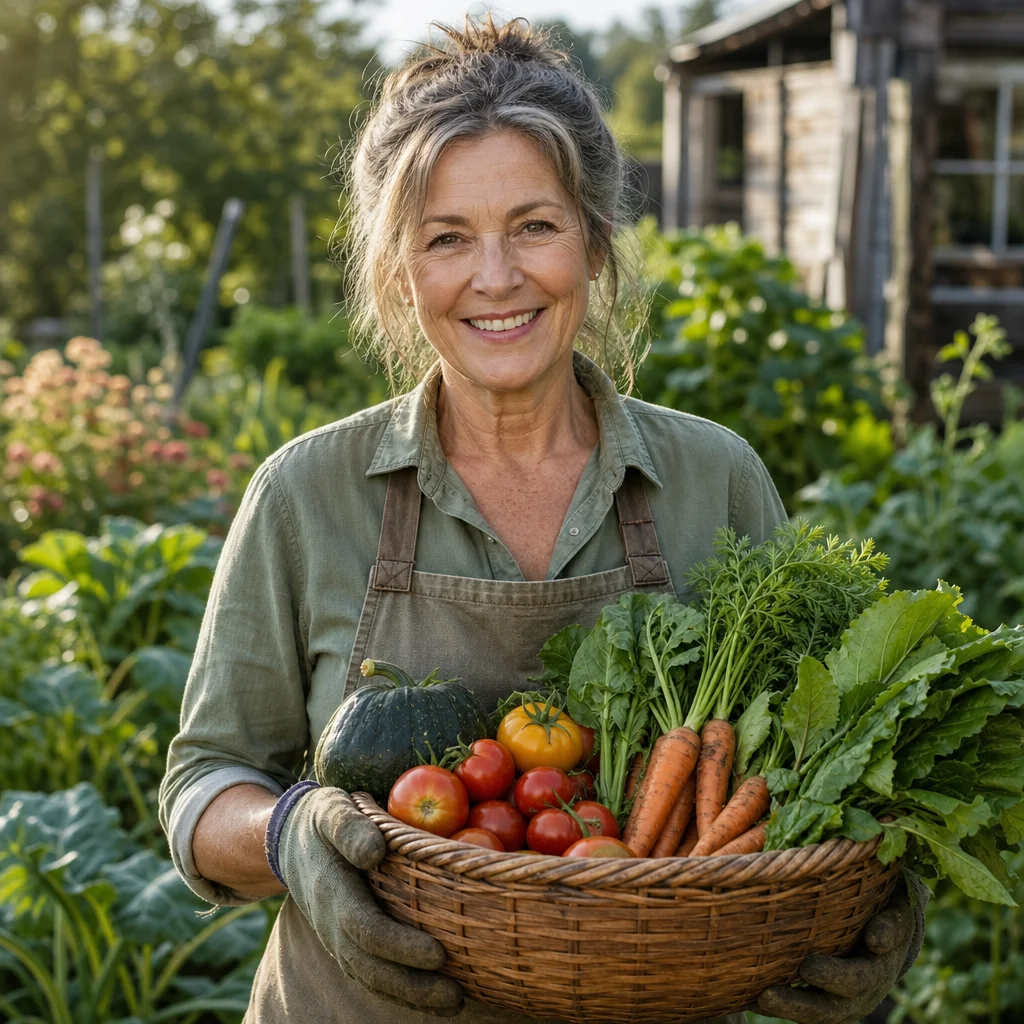
A vegetable garden can dry out surprisingly quickly while you’re gone, especially in hot weather, raised beds, containers, or newly planted areas. The aim isn’t to keep every inch of soil constantly wet. It’s to give roots a dependable supply, reduce evaporation, and avoid creating a small swamp in your absence.
For a weekend away, you usually have several workable options: water deeply before leaving, add mulch, set up a reservoir or irrigation timer, ask someone to check the garden, or combine two or more of these approaches. The best choice depends on your crops, soil, weather, and how much equipment is already in place.
Start with the garden’s actual needs
Check the soil before choosing a watering plan. Push a finger or a small trowel into the soil several inches near the plants, avoiding the stem itself. If the soil is dry at root depth, water thoroughly before you leave. If it’s already damp, adding more water may do little except keep the surface soggy.
A deep watering is generally more useful than a quick sprinkle. Apply water slowly enough that it soaks into the root zone rather than running off the bed. Sandy soil may need water more often because it drains quickly, while clay soil holds moisture longer but can become saturated if watered heavily all at once. Raised beds and containers often lose moisture faster than in-ground beds.
Weather matters, but a forecast isn't a guarantee. A mild, cloudy weekend creates a different problem from two hot, windy days. Consider the expected temperature, sun, wind, and chance of rain, then build in a little flexibility rather than assuming the forecast will behave perfectly.
Test the setup before you leave Run any timer, drip line, bottle reservoir, or soaker hose while you’re still home. Check that water reaches the intended root zones, connections don’t leak, containers don’t empty too quickly, and runoff isn’t carrying soil away. A simple trial is more useful than discovering a clogged emitter from the highway.
Match the method to the length of the absence
Water thoroughly and use mulch
For a cool or moderate weekend, deep watering followed by a layer of mulch may be all an established garden needs. Mulch slows evaporation from the soil surface, reduces temperature swings, and helps prevent the top layer from crusting over. Organic options such as clean straw, shredded leaves, or finished compost can work well when applied without burying plant stems.
Keep mulch a little away from the base of tomatoes, peppers, squash, and other plants. A thick, wet collar around the stem can encourage rot and give pests a convenient hiding place. You’re trying to cover bare soil, not wrap the plant like a damp scarf.
Mulch is most effective when the soil is already adequately moist. It won’t supply much water by itself, and piling it onto bone-dry ground can make the garden look prepared without solving the root problem.
Use a reservoir for a small garden
A filled container with a narrow outlet can provide slow watering for an individual container or a few nearby plants. Commercial self-watering planters and reservoir spikes are designed for this purpose, but a simple reservoir system can also be assembled with suitable equipment.
The important question is how quickly the water is released. A container that empties in a few hours won’t help during a two-day absence, while one that releases water too slowly may not keep the root zone moist enough. Test the arrangement for at least a day and measure how much water remains.
Reservoirs are particularly useful for containers, herbs, and a small number of high-priority plants. They’re less convenient for a large vegetable bed unless you have enough reservoirs to distribute water evenly. Avoid placing a full, unstable container where it could fall onto plants, block a path, or become a hazard for children or pets.
Use a timer or irrigation system
A hose-end timer, drip system, or soaker hose can be the most consistent option when the garden needs watering during your absence. Drip lines deliver water near the soil rather than wetting the entire plant, while soaker hoses release water along their length. Either can reduce evaporation compared with overhead sprinkling, although the result depends on placement and water pressure.
Lay the line so each crop receives water where its roots are growing. A single hose arrangement may not suit shallow-rooted lettuce, thirsty cucumbers, and drought-tolerant herbs equally well. If different beds have different needs, separate watering zones are more useful than running everything on one schedule.
Set the timer for the minimum duration that thoroughly moistens the root zone. More frequent watering isn’t automatically better. Repeated shallow applications can encourage shallow roots and leave lower soil layers dry, while excessive watering may cause runoff, nutrient loss, or waterlogged roots.
Ask a neighbor for help
A neighbor can be the simplest and most adaptable solution, particularly during unusually hot weather or when the garden contains many containers. Leave clear instructions: which beds need water, how deeply to water, where the shutoff is, and what signs would justify contacting you.
Don’t ask someone to make complicated judgments without a plan. Mark the plants or beds that matter most and specify whether the soil should be checked before watering. If a timer or reservoir is involved, show the person how to confirm that it’s working rather than asking them to improvise repairs.
A small watering can or hose nozzle set to a gentle flow is easier for a helper to manage than a high-pressure blast. Arrange access to the garden, tools, and water source before you go, and make sure the person knows how to turn the system off if a connection bursts.
Prioritize crops instead of treating everything alike
Some vegetables deserve closer attention than others. Newly transplanted seedlings have small root systems and can wilt quickly, especially if the weather is warm. Container-grown vegetables also need priority because pots contain limited soil and are exposed on all sides. Leafy greens may lose quality when they dry out, even if they recover later.
Fruiting crops such as tomatoes, peppers, cucumbers, and squash benefit from steady moisture while flowering and producing fruit. Uneven watering can contribute to problems such as blossom-end rot in tomatoes, although that disorder also involves calcium movement, root function, and growing conditions. Consistent soil moisture is helpful, but it isn’t a cure-all.
Established root vegetables and larger plants may tolerate a short absence better, depending on the weather and soil. Herbs with relatively low water needs may not need the same system as lettuce or a young cucumber plant. Grouping plants with similar needs makes future watering easier and prevents the thirstiest crop from dictating the schedule for the entire garden.
Avoid common weekend-watering mistakes
The most common mistake is watering everything heavily just before leaving, regardless of soil moisture. Saturated soil has less air around the roots, and some plants respond poorly to standing wetness. Water according to the condition of the soil and the needs of the crop, not simply because the calendar says you’re going away.
Another mistake is installing a new device at the last minute. Timers can be set incorrectly, tubing can kink, and emitters can clog. A setup that looks orderly on the patio may deliver very little water once it’s spread across a bed. Testing is part of installation, not an optional ceremony performed by optimists.
Overhead sprinklers can also be a poor choice if they run in the heat of the day, lose water to wind, or leave foliage wet for long periods. If overhead watering is your only practical option, use it thoughtfully and confirm that water is reaching the soil evenly. A morning schedule is often preferable to watering late in the evening, when foliage may remain wet overnight.
Finally, don’t rely on mulch, rain, or a neighbor without considering failure points. Heavy rain can overflow a reservoir, wind can shift a hose, and an absent helper can have an emergency of their own. A modest backup plan—such as mulch plus a timer, or a tested system plus one neighbor check—can reduce the consequences of a single problem.
A sensible plan for most weekend trips
For many beginner gardens, the most balanced approach is to check soil moisture, water deeply if needed, add a suitable mulch layer, and use a tested timer or reservoir for containers and vulnerable young plants. Ask for help when the weather is expected to be severe, the garden is large, or the system is too complicated to monitor remotely.
Before leaving, inspect each bed rather than focusing only on the watering equipment. Look for wilted plants, blocked emitters, loose hose connections, exposed soil, and containers that dry faster than their neighbors. Set equipment on a short trial run, then make adjustments while you can still see the results.
When you return, check the soil before watering again. Some areas may still be moist, while wind-exposed containers or shallow-rooted crops may need attention immediately. A weekend watering plan works best when it delivers enough water to the plants that need it, leaves the rest alone, and relies on tested equipment rather than hope wearing a gardening hat.