How to Plan a Garden for a Changing First and Last Frost Date
I’ll clarify how first and last frost dates should shape—not dictate—your planting plan, with flexible windows, backup crops, protection supplies, and succession strategies for unpredictable spring and fall weather.
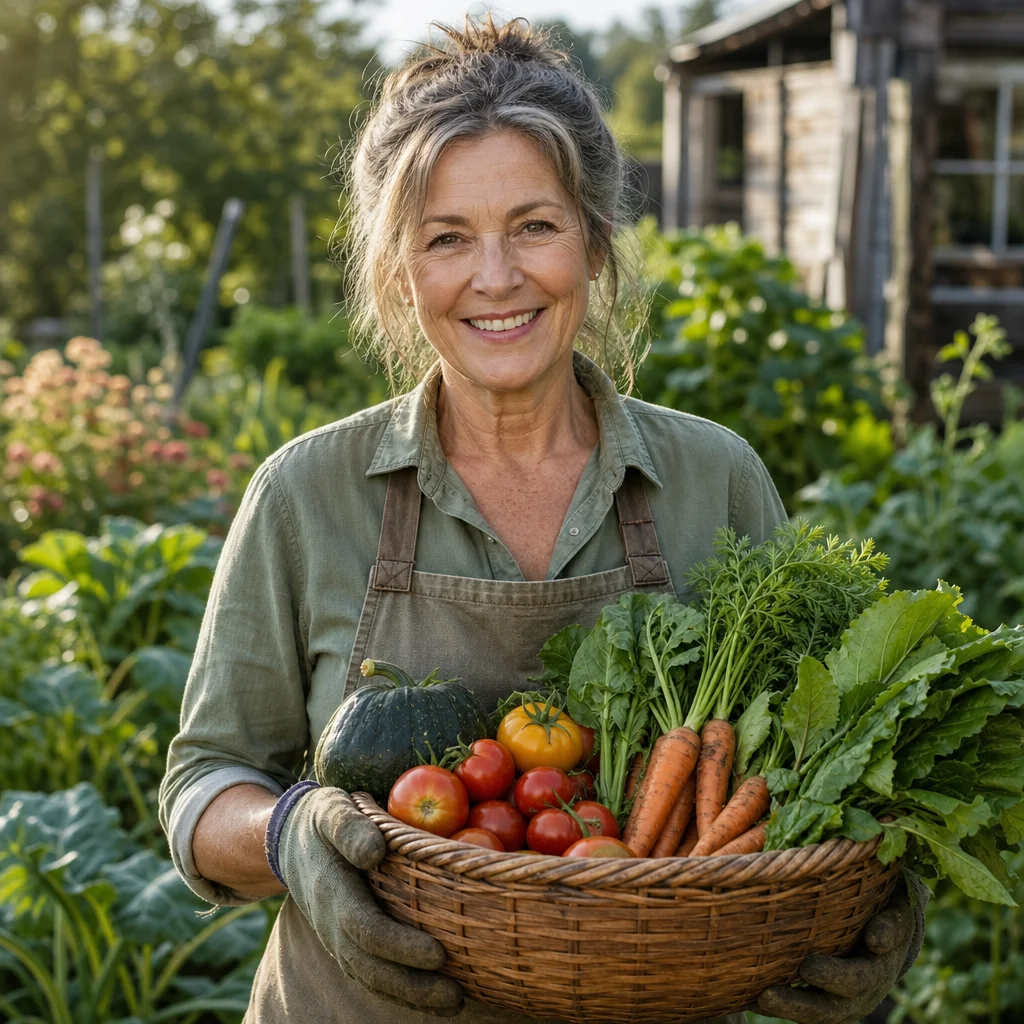
A garden planned around one “last frost” date can look impressively organized right up until the weather ignores it. Frost dates are useful reference points, but they’re estimates rather than appointments. A warm spell can arrive early, followed by a damaging cold night; autumn can offer several extra weeks of growth or end abruptly.
A more reliable approach is to plan in windows. You’ll assign crops a preferred planting period, add a buffer for bad weather, and decide in advance what you’ll protect, replace, or sow next. That gives you a garden that can adjust without turning every forecast into a small emergency.
Treat frost dates as probabilities, not promises
A first or last frost date usually represents a statistical likelihood, not the day frost is guaranteed to occur. Different services may use different temperature thresholds, observation periods, and levels of probability. That’s why two reputable sources can give you slightly different dates for the same general area.
For spring planning, the last spring frost date estimates when freezing temperatures become less likely. For fall planning, the first autumn frost date estimates when they become more likely again. Neither date tells you exactly when to plant every crop. Frost-sensitive tomatoes and basil need a much larger margin than hardy kale or peas, while carrots and onions may tolerate conditions that would damage squash.
Use at least two planning points when possible: a conservative date with a lower risk of frost and a later date associated with a more typical season. You can then place crops according to their tolerance instead of making the entire garden wait for the most delicate plant.
Check your local frost outlook: Before setting this season’s planting windows, compare a recent local forecast with your area’s historical frost information from a reliable weather service, agricultural extension office, or nearby observing station. Confirm whether the source describes light frost, a freeze, or a specific probability.
Build planting windows around crop tolerance
Divide crops into broad groups rather than assigning every seedling the same rule.
Hardy crops include many peas, spinach, lettuce, radishes, onions, and members of the cabbage family. They can often be started earlier, especially from seed, though their growth may slow in cold soil. Some tolerate a light frost and may even taste better after cool weather.
Half-hardy crops include beets, carrots, Swiss chard, potatoes, and some herbs. Their tolerance varies by growth stage and local conditions. Young plants may need protection even when established plants would cope well.
Tender crops include beans, cucumbers, squash, melons, basil, and most warm-season fruiting plants. These are more vulnerable to cold soil as well as frost. Tomatoes, for example, may survive a night above freezing but still stall when planted into chilly ground.
For each crop, set three dates or windows:
- the earliest reasonable start, when a setback is acceptable;
- the preferred planting window, when conditions are more favorable; and
- the latest useful planting time, based on the crop’s days to maturity and your expected season length.
The earliest date isn't a dare. If starting early requires elaborate protection, cold soil, or repeated replanting, the preferred window may produce a better harvest with less effort.
Plan backward from harvest, not forward from spring
Seed packets and plant labels often list days to maturity, but those numbers are estimates made under particular conditions. They may count from direct sowing, transplanting, or germination, and a cool spell can add days. Transplants also experience a period of adjustment after planting.
To plan a fall crop, begin with the harvest you want and work backward. Estimate the crop’s stated maturity time, then add time for slow growth, transplant shock, short autumn days, and a reasonable weather buffer. If you want carrots ready in early October, don’t simply subtract the printed number of days from October. Include the time needed for germination and the possibility that cool soil will slow the beginning.
Spring planning works in the opposite direction. Start with the crop’s preferred conditions, then decide whether an earlier start is worth the protection and attention it requires. A tomato planted two weeks early may not produce two weeks earlier if it spends that time sulking in cold soil. A succession of healthy plants can outperform one stressed, prematurely planted crop.
Use succession planting as insurance
Succession planting is more than a way to keep lettuce coming. It can spread risk across several sowing dates. If one planting is caught by a late freeze, heavy rain, poor germination, or an unexpected heat wave, another may still succeed.
For quick crops such as radishes, salad greens, and bush beans, sow smaller amounts at intervals suited to the crop and your household’s use. In a variable spring, you might make one sowing at the earliest reasonable window, another near the preferred window, and a third after conditions have clearly improved. You don’t need to repeat every crop; focus on plants that mature quickly and are costly or disappointing to lose.
For fall gardens, count backward from both the expected harvest and the likely end of useful growth. Sow a little earlier than the ideal date if the crop tolerates it, but keep a later backup sowing for gaps caused by heat, pests, or failed germination. Cool-season crops often establish better when summer heat has eased, so a later planting may catch up more than you expect.
Transplants can add another layer of flexibility. A few extra seedlings held in suitable conditions can replace losses, but don’t keep them so long that they become root-bound or stressed. Backup plants are insurance, not a collection.
Keep a protection plan that matches the risk
Frost protection is most useful when you know which plants need it and how you’ll deploy it. Lightweight row cover can protect crops from a modest cold night while allowing light and air through. Cloches, overturned containers, or insulated structures can protect individual plants, provided they’re secured against wind and removed or vented when temperatures rise.
Covering a plant isn't the same as heating it. Fabric should generally be supported so it doesn’t rest heavily on tender foliage, and the edges need to reach the ground well enough to limit cold air movement. Moisture, wind, and the expected low temperature all affect the result. A cover that works on a calm night may be inadequate during a windy freeze.
Container plants deserve separate planning. Containers lose heat faster than garden soil, so a plant that would be safe in the ground may need to move to a sheltered location. Raised beds can warm earlier in spring, but their exposed sides may also cool quickly at night. Dark surfaces, nearby walls, slopes, and low pockets can all create conditions that differ from the official weather station.
Avoid improvising with unsafe heat sources, enclosed combustion equipment, or materials that can ignite. For detailed protection methods, follow current guidance from your local extension service or another trusted horticultural authority, particularly when a hard freeze is expected.
Account for microclimates and edge cases
Your garden’s frost behavior may not match the nearest town’s forecast. Cold air settles in low areas, while gently sloping ground may drain cold air more effectively. A wall can reflect warmth, and a canopy can reduce radiational cooling, though trees and buildings may also block morning sun. Dense mulch can moderate soil temperature, but it won’t guarantee that leaves remain above freezing.
Keep simple notes for your own site. Record when frost appears in different beds, which areas dry slowly, and where snow or cold air lingers. These observations are often more useful for choosing between two spots in your yard than a broad regional date. They won’t replace a forecast, but they help you interpret it.
Soil conditions matter as much as air temperature for many spring crops. A stretch of mild afternoons doesn’t mean wet, cold soil is ready for seeds or transplants. If the ground is waterlogged, seeds may rot and roots may struggle even when frost is no longer the main concern. Wait for workable soil, or use a better-drained bed, rather than forcing the calendar.
Fall has its own complications. A light frost may damage basil and beans while leaving root crops largely unharmed. A brief cold night followed by warm weather is different from a prolonged freeze. If a crop is close to harvest, harvesting slightly early may be wiser than relying on protection that you can’t monitor.
Keep backup crops and supplies deliberately modest
A flexible garden doesn’t require duplicates of everything. Choose backups that serve a different risk profile. If your main plan depends on warm-season tomatoes, include a few quick greens or roots that can still produce if spring stays cool. If a fall crop may be cut short, add something fast-growing or harvestable at a smaller size.
Keep a short protection kit where you can reach it: row cover or frost cloth, supports, clips or weights, labels, and containers suitable for individual plants. Check it before the season begins. Torn fabric and missing stakes are remarkably good at appearing only after the forecast becomes inconvenient.
You can also reserve a small patch for late decisions. Don’t fill every square foot at the first opportunity. Open space lets you respond to a failed planting, a newly available transplant, or a weather pattern that makes your original plan unattractive. Empty soil isn't always wasted space; sometimes it’s flexibility with a less glamorous appearance.
Review the plan as the season develops
At the start of each week, compare the forecast with your planting windows rather than asking whether the entire season is “early” or “late.” A single warm week may justify sowing hardy greens but not setting out peppers. A delayed spring may shift tomatoes without changing your plans for peas or onions.
Watch the forecast’s sequence, not just its lowest overnight number. Several cold nights, strong wind, wet soil, and cloudy days can create more stress than one brief dip. In autumn, consider the crop’s value and maturity: protect a productive pepper plant if you still expect a worthwhile harvest, but don’t spend an hour covering a declining plant that can be harvested now.
After the season, note which dates worked, which crops needed protection, and where your buffers were too generous or too narrow. Over several years, you’ll develop a site-specific calendar made from observations rather than assumptions. It will still be imperfect, but it will become increasingly useful.
The goal isn’t to predict the first and last frost exactly. It’s to make the garden less dependent on prediction. Use frost dates to establish broad boundaries, place crops inside flexible windows, add extra time for slow conditions, and prepare a small number of practical responses. With succession sowings, suitable backups, and protection matched to the actual risk, an unexpected cold night becomes a change of plan—not the end of the garden.