How to Grow a Balcony Garden When You Can Only Carry Small Bags of Soil
You don’t need large soil deliveries or a crowded collection of heavy pots; I’ll show you how to build a small, manageable balcony garden in stages, with lightweight containers, sensible plants, and less lifting.
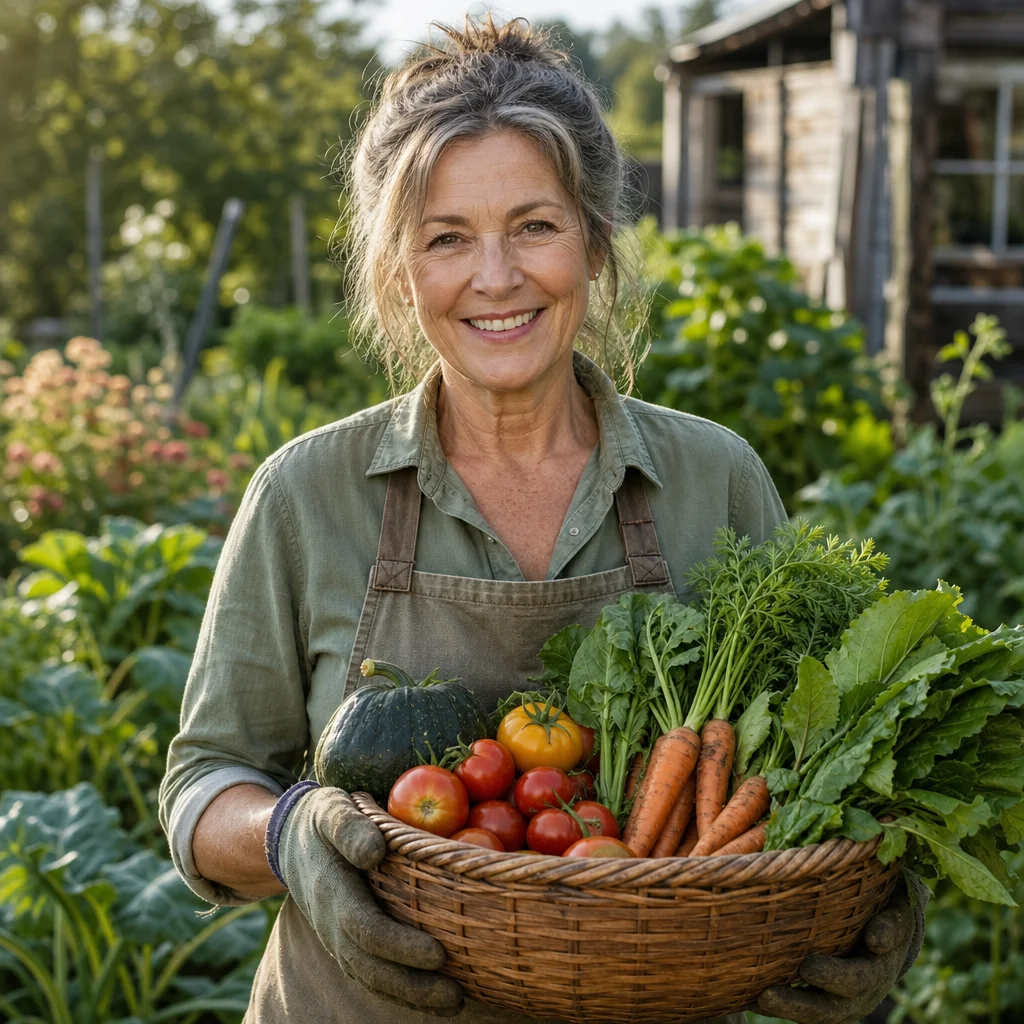
A balcony garden doesn’t have to begin with a carload of potting mix and a heroic afternoon of carrying. If you can only move small bags of soil, you can still grow herbs, greens, flowers, and compact vegetables by treating weight, water, and timing as part of the design from the beginning.
The minimalist approach isn't simply buying smaller versions of everything. A dozen small containers can require more lifting, watering, and rearranging than a few well-chosen planters. Start with the least you need, place it carefully, and add capacity only after you know what your balcony can comfortably support.
Start with the balcony, not the plants
Before buying containers or soil, look at the space as a growing area and a work area. Note where sunlight falls during the day, where rain reaches the floor, and how far you’ll need to carry supplies from the entrance. A balcony that receives six hours of sun may suit tomatoes and peppers, while one with bright shade may be better for lettuce, herbs, and leafy plants.
Also identify the most convenient place to water. If every container must be carried indoors or watered with a small cup from the kitchen, a large garden will quickly become an unpleasant chore. A manageable balcony garden should be easy to reach, inspect, and water without leaning over railings or repeatedly moving heavy pots.
Check the balcony before you add weight: Confirm your building’s rules, balcony restrictions, and any available load guidance before setting out containers, soil, water, or storage items. Requirements vary by building and location, and a property manager or qualified professional can help clarify questions that a product label can't answer.
Think in terms of a few growing zones rather than covering every open patch. One sunny railing-length planter, one or two compact floor containers, and a small pot for herbs may provide more useful harvests than many scattered pots. Leave a clear route for walking and for carrying the small bags you’ll add later.
Choose containers that are light when empty and stable when planted
Plastic, fabric, resin, and some composite containers are generally easier to move than ceramic, concrete, or thick terracotta. That doesn’t make every lightweight pot suitable. A tall, narrow container can tip in wind, while a flimsy planter may bow when filled. Look for a broad base, strong handles if the container has them, and drainage holes that won’t be blocked by the balcony surface.
Long window boxes can make efficient use of limited space, but they also concentrate soil and water in one continuous load. Several shorter planters may be easier to fill and reposition. On the other hand, too many small pots create more edges to trip over and more individual plants to monitor. Choose the smallest number of containers that gives your chosen plants enough root room.
Avoid relying on a decorative outer pot to catch all the drainage unless you can empty it safely. Standing water adds weight and can damage surfaces or encourage root problems. A saucer or tray can protect the balcony, but it should be sized for the container and checked after watering rather than left full indefinitely.
When a container is already in its final position, fill it there. Even a relatively small pot becomes awkward once it contains damp mix. If you must move a planted container, slide it on a plant caddy designed for the weight, or ask for help instead of lifting it from an unstable position.
Buy soil in stages and fill containers where they will stay
Small bags aren't a disadvantage if you use them deliberately. You can buy one or two bags, fill the first containers, and wait to see how much space, water, and maintenance they actually require. This staged approach prevents the common balcony mistake of purchasing enough supplies for an imagined garden and then discovering that the real garden is too heavy or too demanding.
Use a commercial potting mix intended for containers rather than garden soil dug from the ground. Garden soil is often too dense for pots and can drain poorly. A quality container mix usually includes materials that provide air space and help manage water, but products differ in ingredients and performance. Read the bag for container use, approximate volume, and any handling directions.
Don't fill every container to the rim. Leave the headspace recommended on the product or enough room to water without immediately washing mix over the edge. Filling a planter in place also lets you test its position before you commit to a full arrangement.
Lightweight mix reduces handling effort, but it doesn’t make the finished garden weightless. Wet soil, a mature plant, and a reservoir of water can weigh much more than the dry contents of the bag. The important question is the total weight of the planted container, not merely the weight printed on the package.
Select plants that reward limited space
For a first balcony garden, choose plants that provide frequent use or long-lasting interest. Leaf lettuce, arugula, chives, parsley, basil, compact flowers, and many salad greens can produce useful results without requiring deep, heavy containers. Radishes and some green onions are also reasonable choices when you want a quick crop and straightforward maintenance.
Compact or patio varieties of tomatoes, peppers, and eggplants can work, but they need more sun, steady water, and support than leafy greens. A small plant isn't always a low-maintenance plant. A dwarf tomato may remain compact while still demanding a sturdy container, regular feeding, and a stake or cage.
Check the mature size on the seed packet or plant label rather than judging by the size at purchase. Avoid plants that naturally become large vines, sprawling squash, or heavy climbers unless you have a clear support plan and enough room. A plant that outgrows its container may force you to buy more mix, move a heavy pot, or accept a tangle of stems in a narrow walkway.
Group plants with similar needs. Herbs that prefer to dry slightly between waterings shouldn't share a container with a thirsty leafy green. Likewise, sun-loving fruiting plants may struggle beside a taller plant that casts afternoon shade. Matching plants by water and light needs reduces both waste and carrying.
Make watering part of the weight plan
Water is often the heaviest thing you carry repeatedly, so design around the water source rather than treating it as an afterthought. If a hose connection is permitted and safely usable, it may reduce trips. Otherwise, use a watering can that you can carry comfortably when partly filled. Two smaller trips are preferable to one awkward, sloshing load.
Water slowly until a little drains from the bottom, then allow the container to drain fully. This helps moisten the root zone instead of sending water down a dry channel along the pot wall. In hot, windy conditions, containers may dry faster than expected; in cool or rainy weather, they may need less water. Check the mix with your finger and observe the plants rather than following a rigid calendar.
Mulch can help reduce evaporation, but use a thin layer of suitable organic material and keep it away from stems. Heavy decorative stones are unnecessary on a weight-conscious balcony. A surface mulch that is light, clean, and appropriate for containers is a better fit for this setup.
Set a simple routine: check plants at the same time each day during hot weather, remove dead leaves, and look for blocked drainage. Regular small checks are easier than recovering from a severely wilted container that needs a large amount of water all at once.
Carry and handle supplies without turning the garden into a test of strength
Plan your supply route before you shop. Small bags are easier to handle, but they can still be awkward on stairs, in elevators, or across a narrow hallway. Use a stable tote or garden carrier only if it has handles you can grip securely and if the combined load remains comfortable. Keep bags close to your body, avoid twisting while carrying, and make more trips rather than pushing your limits.
Store unopened mix somewhere dry and out of the way, but don’t create a pile that blocks an exit or adds concentrated weight to one spot. If you’re older, have a lifting limitation, or are recovering from an injury, consider asking a neighbor, friend, or delivery service to bring bags to the balcony entrance or help with the initial setup. The garden should reduce daily effort, not require a minor expedition every weekend.
Use a small scoop or container to transfer mix into planters instead of trying to pour a full bag into a narrow pot. You’ll have better control, less spilled material, and fewer sudden shifts of weight. Keep the bag on the floor or a stable surface while scooping, and close it securely afterward so it doesn’t absorb unnecessary moisture.
Expand only when the first containers are working
Give your initial garden several weeks before adding more. Notice which spots receive usable light, which plants dry quickly, and how much time watering takes. You may discover that one planter produces more herbs than you can use, while a second sunny container would be better devoted to salad greens.
When you expand, add one container at a time and reuse what you’ve learned. A new planter should solve a specific need: more herbs, a crop with different light requirements, or a replacement for a plant that didn’t suit the conditions. Avoid adding containers simply because a small bag of mix remains in storage.
At the end of the season, remove spent plants and decide whether the container is worth keeping in place. Some potting mixes can be refreshed or reused depending on the crop, plant health, and product guidance, but avoid carrying old, diseased plants or contaminated material into the next season. Keeping fewer healthy containers is often easier than maintaining a balcony nursery of tired pots.
A successful small-bag garden starts with a few lightweight, stable containers placed near the right light and water access. Fill them where they will remain, choose plants that match their size, and remember that damp soil and stored water count toward the real load. Once those basics work comfortably, add plants gradually—not because the balcony is empty, but because the next container has earned its place.