Direct Sow or Transplant: Choosing the Better Start for Each Vegetable
Seedlings can offer a head start, but root disturbance, cold soil, and missed timing can turn that advantage into a setback. I’ll help you weigh those risks against germination needs, labor, and harvest reliability for common vegetables.
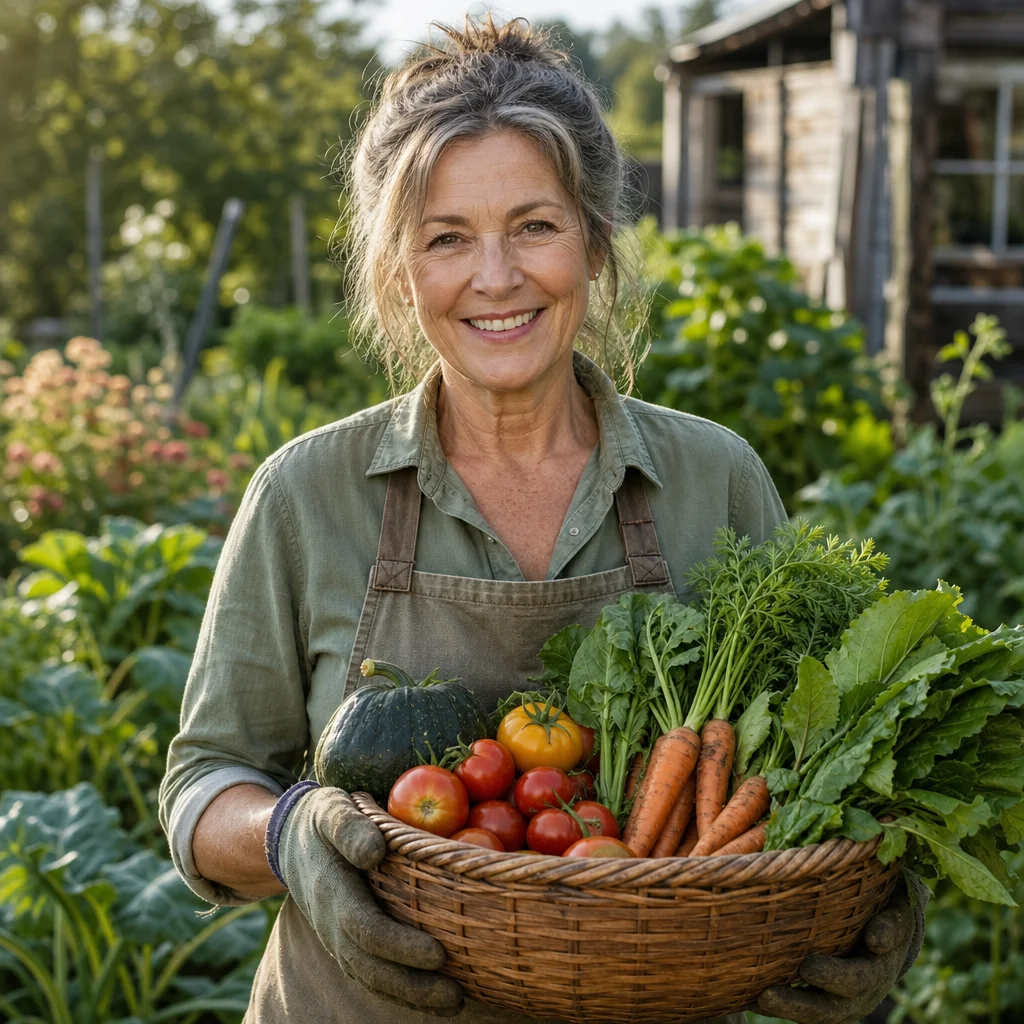
Starting vegetables from seed gives you two main routes: sow directly where the plants will grow, or raise or buy seedlings and transplant them later. Neither method is automatically better. The safer choice depends on how well a crop tolerates root disturbance, how long it needs to mature, and whether your garden can provide the right conditions when the seed is ready to sprout.
For beginners, the most useful rule isn't simply “roots in the ground, seedlings in trays.” It’s to match the starting method to the vegetable’s weak point. Root crops dislike being moved. Warm-season crops often need more growing time than a short or cool season provides. Tiny-seeded crops may germinate more evenly in a protected space, while vigorous, fast-growing plants can make transplanting unnecessary work.
The basic trade-off: control versus simplicity
Direct sowing is the lower-labor option. You place seed in its final location, keep the area moist, and thin the seedlings as they emerge. There’s no potting mix, grow light, hardening-off period, or transplant shock. The drawback is that outdoor soil and weather are less predictable. Heavy rain can wash out seed, crusted soil can block seedlings, and cool temperatures can delay germination.
Transplanting gives you more control over the earliest stage of growth. You can start plants indoors or buy established seedlings, then place them outdoors when conditions are suitable. This is particularly useful for crops that need a long warm season. However, every move exposes the plant to risk: roots can be damaged, stems can be bruised, and a seedling that was grown in gentle indoor conditions can struggle in wind or strong sun.
A transplant is most likely to succeed when the plant is young, healthy, and not badly root-bound. A larger plant may look like a better bargain, but size alone doesn’t guarantee a stronger start. A compact seedling with a well-developed root system is usually a safer choice than a tall, pale plant whose roots have circled densely in its container.
Vegetables that usually prefer direct sowing
Some vegetables are poor candidates for transplanting because their roots are sensitive, their growth is quick, or the edible portion develops underground. Direct sowing avoids disturbing the root that will become the harvest.
Carrots, parsnips, and other root crops
Carrots and parsnips are classic direct-sow crops. Their taproots can fork, split, or become misshapen after root disturbance. Sow them in loose, stone-free soil, keep the surface consistently damp while they germinate, and thin crowded seedlings rather than trying to move them.
Radishes and turnips are also generally easiest to sow in place. They mature quickly, so raising them indoors offers little benefit. Beets can be direct sown as well. Their seedlings often emerge in clusters because each seed may contain more than one embryo, so thinning is part of normal care rather than evidence that something went wrong.
Peas and beans
Peas are usually best sown directly as soon as the soil is workable and conditions suit the crop. Their roots can be disturbed, and they don’t gain much from a long indoor start. A short head start in a container can sometimes help in a pest-prone garden, but it adds handling and timing decisions to a crop that is otherwise straightforward.
Beans also grow quickly from seed and are commonly direct sown after cold conditions have passed. Their seeds can rot in cold, wet soil, so waiting for suitable conditions is more useful than starting them too early. Bush beans have a short path from germination to harvest; pole beans may need more planning for support, but not usually an indoor transplanting stage.
Corn and most cucurbits
Sweet corn is generally direct sown because it grows quickly and benefits from being established in its final position. Planting in blocks or short, successive sowings can support better pollination and extend harvests, depending on the variety and available space.
Cucumbers, summer squash, pumpkins, and melons can also be direct sown once the soil is warm enough. They dislike root disturbance, although gardeners in short-season areas sometimes use young transplants to gain time. If you do transplant them, handle the root ball carefully and avoid letting the seedlings become large and tangled in their containers.
Vegetables that often benefit from transplanting
Transplanting is most useful for crops that grow slowly at first, need warmth, or require a long season to produce a harvest. Starting them under protection can move the earliest growth past a period when outdoor conditions are unreliable.
Tomatoes, peppers, and eggplant
Tomatoes, peppers, and eggplant are common transplant crops in the United States and Canada. Their seeds need warmth for dependable germination, and the plants may need a long stretch of suitable weather to produce well. Buying or raising transplants can therefore improve harvest reliability, especially where summers are short.
These crops still need careful handling. Harden indoor-grown plants gradually by exposing them to outdoor conditions over several days, increasing the time outside as weather permits. Don’t put tender seedlings straight into strong sun, cold wind, or a chilly night and assume enthusiasm will substitute for acclimation. It rarely does.
Plant them at an appropriate time for your local conditions, not merely when the calendar says spring has arrived. Tomatoes can produce additional roots along buried stems, but peppers and eggplant generally benefit from being planted at roughly the same depth they occupied in their containers unless reliable crop-specific guidance says otherwise. Avoid burying leaves or leaving the stem pressed against wet soil.
Brassicas and leafy greens
Broccoli, cabbage, cauliflower, kale, and collards can be either direct sown or transplanted. Transplanting often makes it easier to establish an even crop and protect young plants from weeds, insects, or an approaching change in weather. These cool-season vegetables can tolerate relatively cool conditions, but the best timing depends on the variety and whether you’re growing a spring or fall crop.
Lettuce and other leafy greens are similarly flexible. Direct sowing works well for quick, repeated harvests, while transplants can fill gaps in a bed and provide a more predictable spacing pattern. Very young transplants usually recover more readily than overgrown ones.
A crop-by-crop decision method
When the answer isn’t obvious, consider five questions rather than relying on a universal planting rule.
First, does the crop have a sensitive main root or an underground harvest? If so, direct sowing is usually the lower-risk option. Second, how long does the variety need from germination to harvest? A long-season crop is more likely to justify transplanting. Check the seed packet for days to maturity, remembering that the number may be calculated from transplanting rather than from sowing.
Third, can your soil provide the required germination conditions? Warm-loving crops may sit inactive or rot if sown into cold, wet ground. Starting them in a controlled environment can reduce that risk, provided you can give the seedlings enough light and avoid overwatering.
Fourth, how much labor can you reasonably maintain? Transplants need regular attention before planting: adequate light, watering that doesn’t leave them constantly soggy, spacing as they grow, and gradual acclimation. Direct sowing is simpler, but it may require more thinning, early weeding, or protection from weather and pests.
Finally, what kind of failure is easiest for you to recover from? A missed row of radishes can usually be resown quickly. A damaged pepper transplant may cost weeks. A patch of carrots that germinates unevenly can be difficult to repair without disturbing neighboring roots. The safer method is often the one that gives you a practical second chance.
Check the planting window before you commit: Look up your local frost dates, recent soil temperatures, and the crop’s seed-packet guidance through a regional extension service, garden authority, or current weather source. These conditions vary substantially across the United States and Canada, and a calendar date from another location may be a poor safety margin for tender seedlings.
Reducing risk with either method
Good preparation matters more than choosing a method that sounds sophisticated. For direct sowing, prepare a fine, lightly firmed seedbed and follow the packet’s depth instructions. Seed planted too deeply may fail to emerge; seed left on the surface may dry out or wash away. Keep the upper layer evenly moist until germination, then adjust watering as seedlings develop roots.
For transplants, start with clean containers and a suitable seed-starting medium if you’re raising plants yourself. Provide enough light to keep growth compact. Water thoroughly when needed, then allow excess water to drain rather than leaving containers in standing water. Crowded, pale, or persistently wet seedlings are more vulnerable to failure after planting.
Inspect plants before bringing purchased seedlings into your garden. Avoid specimens with obvious insect infestations, soft stems, severe leaf spotting, or roots that smell sour. Quarantining new plants briefly away from established crops can be sensible when disease or pests are a concern, particularly if you’re buying from several sources.
After planting, protect young transplants from abrupt weather with appropriate covers or temporary shelter, while allowing ventilation and following the cover manufacturer’s instructions. Remove protection when conditions become too warm. Direct-sown seedlings may also need barriers against birds, slugs, or strong rain. Protection should reduce a known risk, not create a damp, overheated hiding place for a new one.
A simple starting plan
For a first garden, direct sow carrots, radishes, peas, beans, corn, and most cucumbers or squash when their conditions are right. Use transplants for tomatoes, peppers, and eggplant if your season is short or you want a more predictable start. Treat broccoli, cabbage, kale, lettuce, and similar crops as flexible: choose based on timing, available space, and how much early-season protection you can provide.
You don’t need to choose one method for the whole garden. A mixed approach is often more reliable: direct sow quick crops in succession, transplant a few long-season vegetables, and leave space for a resowing if weather or germination doesn’t cooperate. The goal isn’t to eliminate every setback. It’s to avoid preventable root damage, cold exposure, and timing mistakes while giving each vegetable the start it can handle best.