Compost, Aged Manure, or Leaf Mold: Which Soil Amendment Fits the Job?
Compost adds balanced support, while leaf mold builds structure and aged manure brings more nutrients. I’ll help you choose the amendment that suits your soil, plants, timing, and long-term maintenance needs.
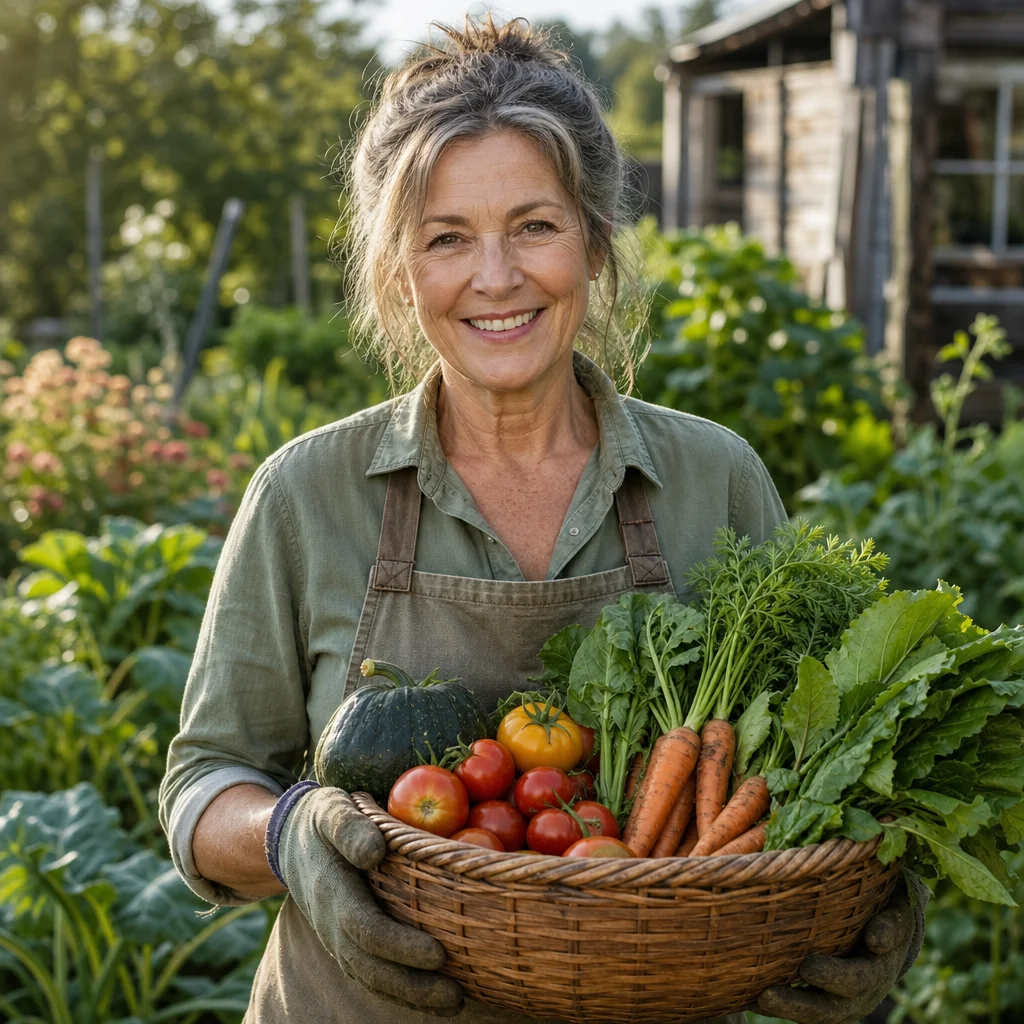
Choosing a soil amendment gets easier when you stop treating compost, aged manure, and leaf mold as interchangeable. All three add organic matter, but they differ in maturity, texture, nutrient content, availability, and the amount of follow-up your garden will need.
For most beginner gardeners, finished compost is the dependable general-purpose choice. Leaf mold is especially useful when your main goal is better moisture handling and crumbly soil. Aged or composted manure can be valuable where nutrients are needed, but its quality varies more—and it deserves the most careful sourcing.
Start with the job, not the product
Before buying or spreading anything, look at what you want the amendment to do. A compacted bed may need more organic matter and improved pore space. A new planting area may need a broad, moderate nutrient contribution. A container mix may need a carefully balanced ingredient rather than a thick layer of one amendment. Established perennial beds may benefit from a gentle surface application that improves soil gradually without disturbing roots.
It also helps to distinguish an amendment from a fertilizer. Organic amendments primarily change the soil’s physical condition, water behavior, and biological activity. Some also supply nutrients, but the amount released depends on the material, the soil, moisture, temperature, and decomposition. If a soil test identifies a specific deficiency, use that information rather than assuming that more organic matter will correct every problem.
Finished compost: the reliable all-rounder
Finished compost is decomposed organic material that has matured enough to look and smell earthy. It should be relatively uniform, dark or brown, and free of obvious recognizable food scraps or fresh plant pieces. A small amount of remaining woody material isn’t automatically a problem, but large quantities of unfinished material can compete temporarily for nitrogen as they continue breaking down.
Compost is usually the easiest amendment for a mixed garden because it offers a middle ground. It can improve the structure of many mineral soils, help sandy soil hold water and nutrients, and support the gradual release of nutrients. It doesn’t turn every soil into perfect garden loam, though. Heavy applications can create drainage or nutrient problems, particularly when the compost is salty, immature, or made from poorly known ingredients.
Use finished compost when you’re preparing vegetable beds, refreshing an ornamental border, improving a planting area, or adding organic matter around established plants. Mix it into the upper soil where you’re creating a new bed, or use a modest surface layer around existing plants. Avoid piling it against stems and trunks, where persistent moisture can encourage decay and create hiding places for pests.
Commercial compost can be convenient and consistent, but read the product information. Ingredients, screening, testing, and nutrient content differ. Bulk compost can be economical for large areas, yet a supplier’s description matters more than the word “organic” on its own.
Aged manure: nutrient-rich but variable
Manure can contribute organic matter and more immediately noticeable nutrients than leaf mold, but “aged” isn't a precise quality standard. Manure that has simply sat in a pile may be drier and less pungent without being fully composted. Properly composted manure has undergone controlled decomposition that reduces the volume of fresh material and produces a more stable product.
The source matters. Different animals produce manure with different nutrient levels, moisture content, bedding materials, and salt concentrations. Bedding may add carbon, but it can also contain residues or make the product less uniform. Manure from an unknown source may also carry persistent herbicide residues from treated hay or forage. Those residues can damage broadleaf vegetables and garden plants even after the manure appears old and finished.
Aged or composted manure is most useful when you know its source and want a stronger nutrient contribution during bed preparation. It can suit hungry annual crops, new beds with low organic matter, or areas where a soil test and the product’s analysis support its use. It isn't automatically the best choice for every planting hole or every established bed. More nutrients aren't always better, and repeated applications can lead to excess phosphorus, salts, or other imbalances.
Never use fresh manure casually around food crops. Fresh material can contain pathogens, may burn roots, can release unpleasant odors, and may be too chemically active for young plants. Even when a product is labeled aged or composted, follow the package directions and any food-garden guidance from your local extension service. Recommendations can depend on the manure source, composting process, crop, and timing.
Check the source before you spread it: For bagged or bulk manure, confirm the ingredients, composting or aging information, testing details, and any cautions about herbicide-treated hay. If those details aren’t available, choose finished compost or leaf mold instead.
Leaf mold: structure and moisture without much fertilizer
Leaf mold is made from decomposed fallen leaves. Unlike typical compost, it usually contains little food waste or manure, so its nutrient contribution is modest. Its main strengths are texture, moisture management, and the gradual development of a loose, biologically active soil environment.
Well-decomposed leaf mold is dark, crumbly, and easy to break apart. Some leaf pieces may remain, especially in a younger batch, and that isn’t necessarily a defect. Leaf mold often takes longer to produce than ordinary hot compost because the leaves are mostly carbon-rich material and may decompose slowly. Shredding leaves, keeping the pile consistently moist, and allowing time can improve the process.
Choose leaf mold when your soil is crusty, dries quickly, or needs better structure without a substantial nutrient boost. It works well as a surface mulch in ornamental beds, as an ingredient in homemade potting or propagation mixes when appropriately processed, and as an amendment for woodland-style plantings. It can also help sandy soils retain moisture, though it won’t replace regular irrigation during drought.
Because leaf mold is gentle, it’s often a good long-term maintenance material. You can add a thin layer periodically rather than making a dramatic correction all at once. That approach reduces the risk of burying crowns, changing soil levels around trees, or overloading a bed with nutrients.
How the three materials compare
If you want one broadly useful material for a new or tired garden bed, choose finished compost from a dependable source. It offers the most balanced combination of structure and nutrients, although the quality still needs checking.
If your main concern is moisture and soil texture, choose leaf mold. It’s the least likely of the three to act like a fertilizer, which makes it useful when you want to improve the soil without adding much nutrient load. Its limitation is availability: you may need to make it yourself, and the material must be mature enough for the intended use.
If you need a more nutrient-contributing amendment, aged or composted manure can fit the job. Treat it as a product requiring inspection rather than a universally safe upgrade. The source, processing, salt level, and possible herbicide residues matter more than the label alone.
You can also combine materials, but combining them doesn’t erase their weaknesses. Leaf mold and compost may provide a useful balance of structure and nutrients. Manure can be blended with lower-nutrient organic matter, but you still need to account for the manure’s quality and application rate. A mixture isn't a substitute for knowing what each component contains.
Match the amendment to the planting situation
For a new vegetable bed, start with a soil test if practical, then use finished compost or a known composted manure according to the soil’s needs. Work amendments into the existing soil rather than creating a thick, isolated layer that roots may struggle to cross. The goal is a gradual transition through the root zone, not a sandwich of rich material over poorer soil.
For established vegetables, a surface application of finished compost can be less disruptive than digging around roots. Keep it away from stems, water it in as appropriate, and avoid applying more simply because the bed looks dark and productive. Dark color alone doesn’t reveal nutrient balance.
For trees and shrubs, leaf mold or finished compost is generally better suited to long-term surface care than a concentrated layer of manure. Spread organic matter beneath the canopy where possible, but leave space around trunks and avoid raising the soil level against bark. Mulch should support the root zone, not form a damp collar around the plant.
For containers, be cautious. Garden soil, manure, and large amounts of compost can make a pot heavy, poorly drained, or too nutrient-rich. Use a potting mix designed for containers, and treat homemade amendments as ingredients that need to fit the mix’s drainage and air-holding properties. Leaf mold may be useful in some mixes, but only when it is well decomposed and the overall recipe remains porous.
Signs the material isn’t ready or suitable
Put the bag or pile aside if it smells strongly sour, rotten, or like ammonia; feels hot in the center; contains large amounts of recognizable fresh material; or produces runoff that looks unusually dark and salty. A pleasant earthy smell is a useful sign of maturity, but it isn’t a complete test.
Be particularly cautious with material that contains many weeds or weed seeds. Proper hot composting can reduce viable seeds, but a pile’s outer edges or poorly managed sections may not reach the same temperatures as its center. Manure and compost can also introduce unwanted plants, especially when the source and processing are unclear.
When you’re uncertain, use a small trial area before applying an unfamiliar material throughout the garden. Grow a few sensitive plants or observe an ornamental section first. This won’t identify every possible issue, but it can reveal obvious problems with plant damage, odor, drainage, or excessive salt.
A maintenance-minded choice
Think of soil improvement as a routine rather than a rescue mission. Add modest amounts of suitable organic matter, keep the soil covered, avoid unnecessary digging, and reassess how plants respond over time. Repeatedly adding the same material without testing or observing can create a different problem from the one you meant to solve.
For a sensible default, use finished compost when you want broad improvement, leaf mold when structure and moisture are the priority, and aged or composted manure only when its source is trustworthy and its nutrient contribution fits the bed. The best amendment isn't the richest one; it’s the one that solves the current soil problem without creating a maintenance problem for next season.